Las baterías de plomo-ácido han sido la piedra angular de la tecnología de almacenamiento de energía durante más de un siglo. A pesar del rápido avance de las soluciones basadas en litio, siguen siendo muy utilizadas en aplicaciones de automoción, industriales y de energía de reserva. Pero, ¿qué son exactamente las baterías de plomo-ácido, cómo funcionan y si siguen siendo relevantes en el panorama energético actual?
En esta completa guía, exploraremos los fundamentos de las baterías de plomo-ácido, sus ventajas y limitaciones, y cómo se comparan con alternativas modernas como los sistemas de iones de litio.
¿Qué son las baterías de plomo-ácido?
Una batería de plomo-ácido es un tipo de batería recargable que utiliza placas de plomo y ácido sulfúrico como electrolito para almacenar y liberar energía eléctrica. Inventada en 1859 por Gaston Planté, es uno de los tipos de pilas recargables más antiguos que se siguen utilizando hoy en día.
La estructura básica incluye:
- Placa positiva (dióxido de plomo)
- Placa negativa (plomo esponjoso)
- Electrolito (solución de ácido sulfúrico)
- Separador para evitar cortocircuitos
Cuando la batería se descarga, se produce una reacción química entre las placas de plomo y el ácido sulfúrico, produciendo electricidad. Cuando se recarga, la reacción se invierte.

¿Cómo funcionan las baterías de plomo-ácido?
Las baterías de plomo-ácido funcionan mediante reacciones electroquímicas. Durante la descarga:
- El dióxido de plomo (PbO₂) reacciona con el ácido sulfúrico (H₂SO₄).
- El plomo esponjoso (Pb) reacciona simultáneamente
- Ambas placas se convierten en sulfato de plomo (PbSO₄)
- Se libera energía eléctrica
Al cargar:
- El proceso se invierte
- El sulfato de plomo se convierte de nuevo en dióxido de plomo y plomo esponjoso
Esta reacción reversible permite reutilizar la pila varias veces.
Tipos de baterías de plomo-ácido
Existen varios tipos de baterías de plomo-ácido, cada una diseñada para aplicaciones específicas:
1. Baterías de plomo-ácido inundadas
- Requieren un mantenimiento regular
- Necesita rellenar agua
- Menor coste
2. Baterías selladas de plomo-ácido (SLA)
- Sin mantenimiento
- Diseño a prueba de fugas
- Común en los sistemas SAI
3. Baterías AGM (Absorbent Glass Mat)
- Mejor rendimiento que los inundados
- Carga más rápida
- Más duradero
4. Baterías de gel
- Utilizar electrolito en gel
- Mejor capacidad de ciclo profundo
- Más resistente a las vibraciones
Principales aplicaciones de las baterías de plomo-ácido
Las baterías de plomo-ácido se utilizan en múltiples industrias debido a su fiabilidad y asequibilidad:
- Automoción (baterías de arranque)
- Sistema de alimentación ininterrumpida (SAI)
- Almacenamiento de energía solar (sistemas antiguos)
- Sistemas de reserva de telecomunicaciones
- Equipamiento industrial
Su capacidad para suministrar elevadas corrientes de choque los hace ideales para arrancar motores.
Ventajas de las baterías de plomo-ácido
A pesar de ser una tecnología más antigua, las baterías de plomo-ácido ofrecen varias ventajas:
- Bajo coste inicial
- Tecnología probada y fiable
- Alta capacidad de sobrecorriente
- Ampliamente disponible y reciclable
Estas características las convierten en una opción práctica para determinadas aplicaciones en las que el coste es un factor importante.
Limitaciones de las baterías de plomo-ácido
Sin embargo, las baterías de plomo-ácido también presentan importantes inconvenientes:
- Vida útil más corta (normalmente 300-1000 ciclos)
- Pesado y voluminoso
- Menor densidad energética
- Requiere mantenimiento (en algunos tipos)
- Sensible a la descarga profunda
Estas limitaciones han llevado a muchos usuarios a plantearse alternativas modernas.
Baterías de plomo-ácido frente a baterías de litio (tabla comparativa)
Para entender mejor las diferencias, he aquí una comparación detallada:
| Característica | Batería de plomo-ácido | Batería de litio (LiFePO4) |
|---|---|---|
| Vida útil | 300-1000 ciclos | 4000-6000+ ciclos |
| Peso | Pesado | Ligero |
| Eficacia | 70-85% | 90-98% |
| Mantenimiento | Obligatorio (algunos tipos) | Sin mantenimiento |
| Profundidad de descarga | 50% | 80-100% |
| Velocidad de carga | Lento | Rápido |
| Coste (inicial) | Bajo | Más alto |
| Coste (a largo plazo) | Más alto | Baja |
Esta tabla muestra claramente por qué las baterías de litio se están convirtiendo en la opción preferida en los sistemas energéticos modernos.
¿Siguen siendo relevantes las baterías de plomo-ácido?
Sí, pero sólo en casos concretos.
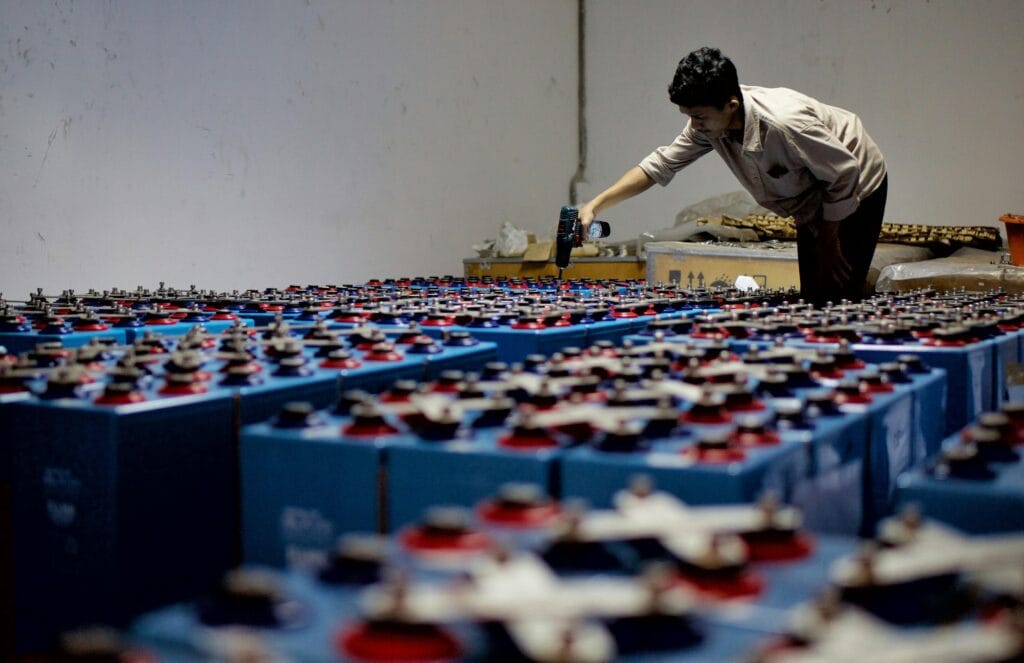
Las baterías de plomo-ácido siguen siendo muy utilizadas en:
- Sistemas de arranque para automóviles
- Energía de reserva de bajo coste
- Aplicaciones en las que el peso no es un problema
Sin embargo, para el almacenamiento moderno de energía -especialmente en sistemas solares residenciales- sus limitaciones son cada vez más evidentes.
El cambio hacia soluciones modernas de almacenamiento de energía
Con el auge de las energías renovables, sobre todo la solar, ha aumentado la demanda de sistemas de almacenamiento eficientes y duraderos. Los propietarios de viviendas y las empresas requieren ahora baterías que puedan:
- Almacene más energía en menos espacio
- Duran más con un mantenimiento mínimo
- Proporcionar energía de reserva fiable
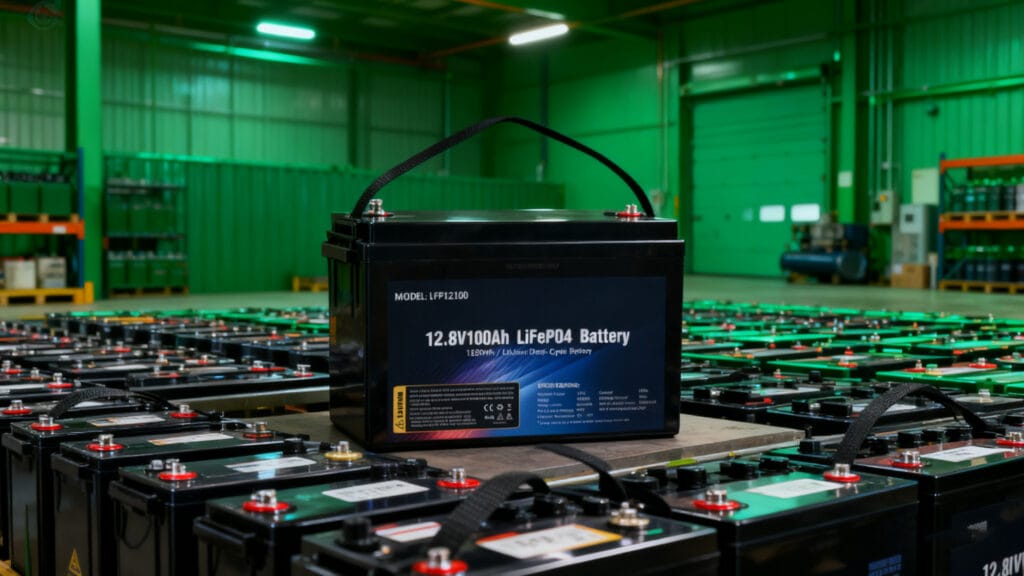
Aquí es donde los sistemas basados en litio, especialmente las baterías LiFePO4, están superando a la tecnología tradicional de plomo-ácido.
Para los usuarios que se plantean una actualización, es esencial comprender la transición del plomo-ácido al litio. Soluciones como las que ofrece Ecavix se centran en proporcionar sistemas de baterías avanzados diseñados para las necesidades energéticas modernas.
¿Cuándo se deben sustituir las baterías de plomo-ácido?
Deberías plantearte actualizarte si:
- La batería debe sustituirse con frecuencia
- Necesita una mayor eficiencia
- El espacio y el peso son importantes
- Quiere un mejor retorno de la inversión a largo plazo
Las alternativas modernas no sólo mejoran el rendimiento, sino que también reducen los costes generales con el tiempo.
Impacto medioambiental y reciclaje
Una ventaja de las baterías de plomo-ácido es su alta reciclabilidad. Casi 99% de las baterías de plomo-ácido pueden reciclarse, lo que las convierte en uno de los productos de consumo más reciclados.
Sin embargo:
- Una eliminación inadecuada puede causar daños al medio ambiente
- El plomo es tóxico si no se manipula correctamente
Las baterías de litio, aunque menos tóxicas, aún están desarrollando infraestructuras de reciclaje.
La opinión de un experto: Elegir la tecnología de baterías adecuada
Desde el punto de vista de la industria, la elección entre plomo-ácido y litio depende de la aplicación.
Utilice ácido de plomo si:
- El presupuesto es muy limitado
- La aplicación tiene poca demanda
Elija el litio si:
- Quiere eficacia a largo plazo
- Necesita un alto rendimiento
- Está invirtiendo en sistemas de energía solar
Los expertos recomiendan cada vez más las soluciones de litio para el almacenamiento de energía residencial y comercial.
Conclusión
Las baterías de plomo-ácido han desempeñado un papel crucial en el desarrollo de la tecnología de almacenamiento de energía. Su asequibilidad y fiabilidad las han convertido en la opción preferida desde hace tiempo en muchas industrias.
Sin embargo, a medida que evolucionan las demandas de energía, sus limitaciones son cada vez más importantes. Las soluciones modernas -en particular los sistemas basados en litio- ofrecen mejores prestaciones, mayor vida útil y mayor eficiencia.
Para quien quiera invertir hoy en almacenamiento de energía, es esencial conocer los puntos fuertes y débiles de las baterías de plomo-ácido. Aunque siguen teniendo su lugar, el futuro pertenece claramente a tecnologías más avanzadas.
Sobre el autor
Este artículo ha sido elaborado por el equipo de ingeniería e investigación de Ecavix, empresa especializada en soluciones avanzadas de almacenamiento de energía para aplicaciones residenciales y comerciales.
Con años de experiencia en tecnología de baterías de litio y sistemas de energía domésticos, el equipo se centra en ofrecer soluciones fiables, eficientes y escalables adaptadas a las necesidades energéticas modernas. Su experiencia abarca el diseño de baterías, la integración de sistemas y la implantación en el mundo real en mercados de todo el mundo, incluida Europa.
Ecavix se ha comprometido a ayudar a propietarios de viviendas y empresas a pasar de los sistemas energéticos tradicionales a alternativas más sostenibles y rentables. Su gama de productos incluye sistemas de almacenamiento de energía domésticos, Soluciones de baterías de litio y configuraciones personalizadas de almacenamiento de energía diseñadas para ofrecer rendimiento y seguridad a largo plazo.
Para más información sobre tecnología de baterías y soluciones de actualización, visite:
👉 https://ecavix.com/lead-acid-replacement/
Si desea explorar soluciones a medida o hablar de sus necesidades de almacenamiento de energía, póngase en contacto con nosotros a través del sitio web oficial:
👉 https://ecavix.com/