The global energy landscape is undergoing a major transformation. Rising electricity prices, increasing climate concerns, and the need for greater energy security are pushing households toward new solutions. One of the most important technologies emerging from this transition is домашнее хранение энергии.
Home energy storage systems, especially solar batteries, allow households to store electricity generated from renewable sources and use it whenever needed. What was once considered an advanced technology is quickly becoming a standard feature in modern homes.
In the coming decades, home energy storage will play a central role in how households generate, store, and manage electricity. This article explores the future development of home energy storage systems, the technologies shaping the industry, and how homeowners will benefit from this transformation.
What Is Home Energy Storage?
Home energy storage refers to battery systems installed in residential buildings that store electricity for later use. These systems are usually connected to solar panels and are designed to increase energy independence.
A typical home energy storage system includes:
- Солнечные панели
- Гибридный инвертор
- Хранение литиевых батарей
- Система управления аккумулятором
- Smart energy monitoring platform
Together, these components create a decentralized energy system that allows homes to generate and manage their own electricity.
Instead of relying completely on the public grid, homeowners can store surplus energy and use it when electricity demand is higher.
Why Home Energy Storage Is Growing Rapidly
Several global trends are accelerating the adoption of residential energy storage systems.
Rising Electricity Prices
Across Europe and many other regions, electricity prices have increased significantly in recent years. Home energy storage helps homeowners reduce reliance on grid electricity by using stored solar power.
Energy Security Concerns
Events such as geopolitical conflicts, infrastructure disruptions, and grid instability have made energy security a major priority. Home energy storage systems provide backup power and improve resilience during outages.
Renewable Energy Expansion
Solar energy adoption is increasing worldwide. However, solar panels generate electricity mainly during the daytime. Energy storage solves this mismatch by storing energy for later use.
Государственные стимулы
Many governments are encouraging residential battery storage through subsidies, tax incentives, and energy policies designed to support renewable energy.
Key Technologies Shaping the Future of Home Energy Storage
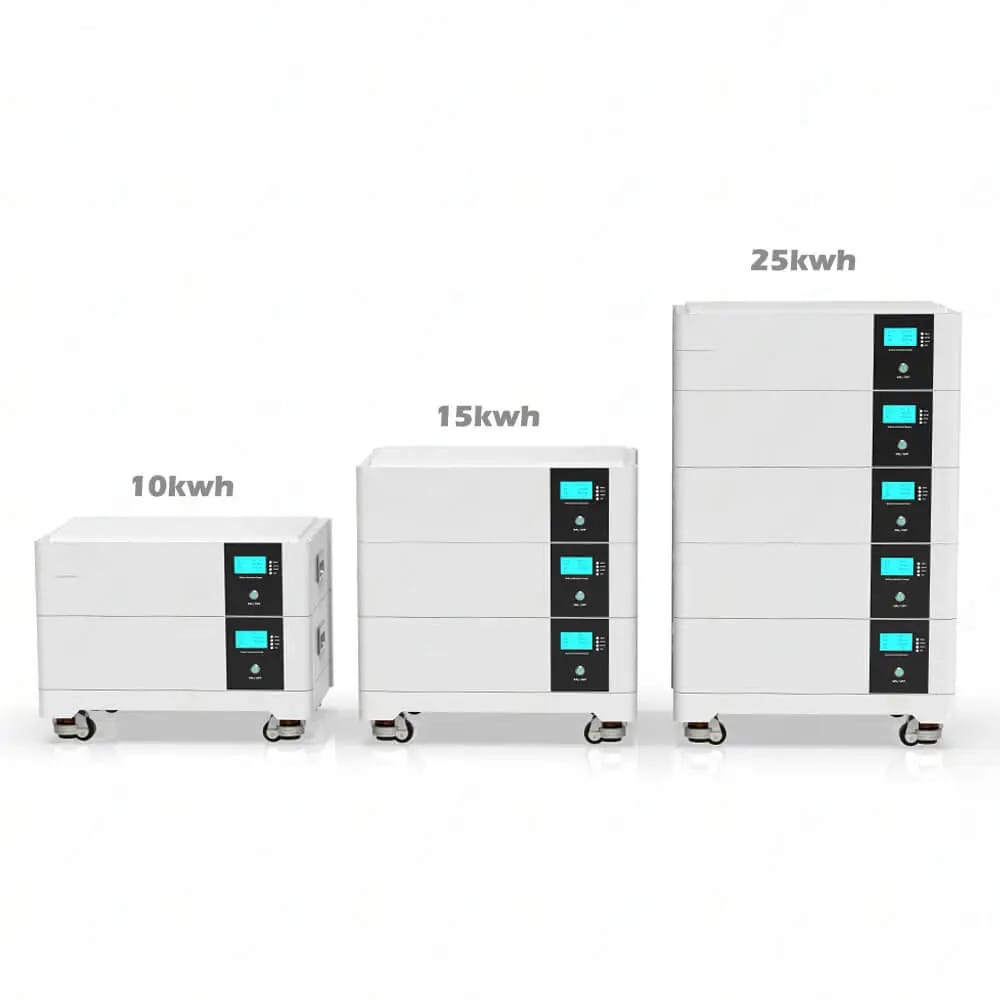
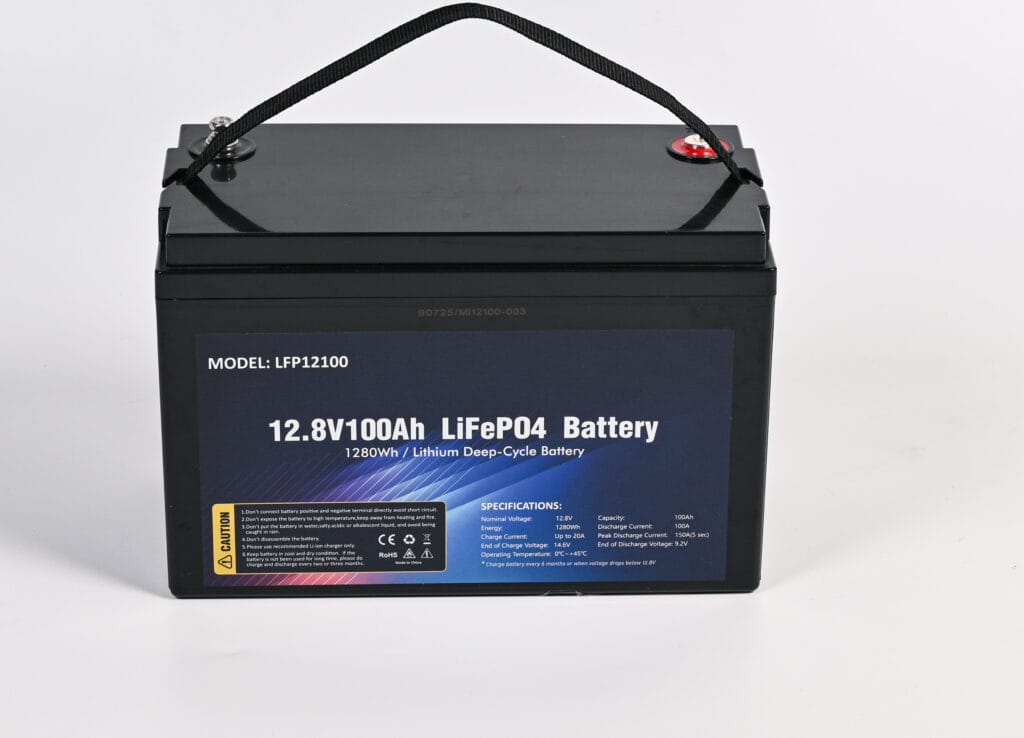
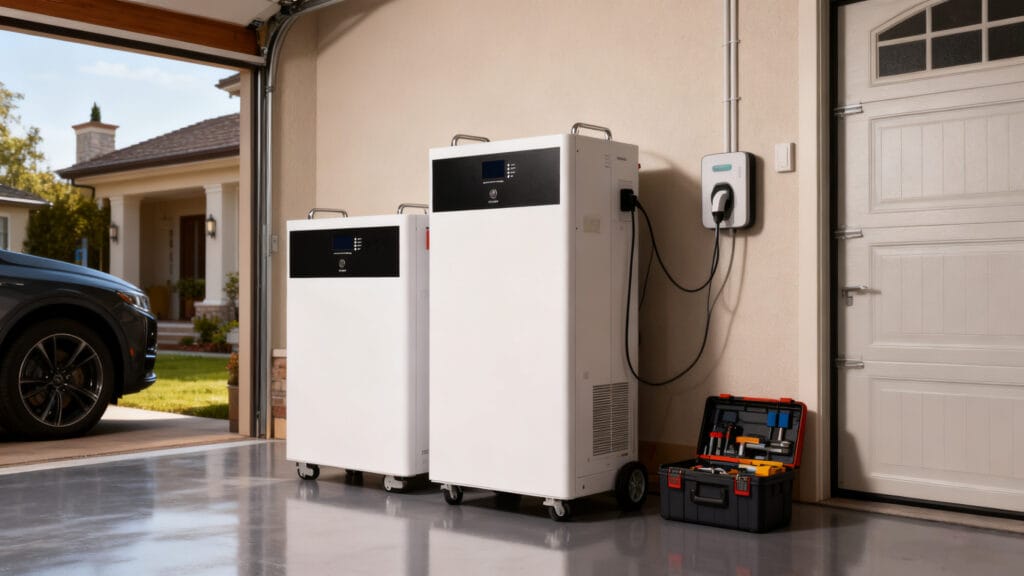
The next generation of home energy storage systems will be defined by several technological innovations.
Advanced Lithium Battery Technology
Lithium batteries are currently the most widely used technology for residential energy storage. Among them, LiFePO4 (литий-железо-фосфат) batteries are becoming the preferred choice.
Future improvements will focus on:
- Более высокая плотность энергии
- Более длительный срок службы
- Improved safety
- Faster charging capability
These improvements will make home energy storage systems more efficient and reliable.
Modular and Scalable Battery Systems
One of the major trends in the industry is modular design.
Instead of installing a single large battery, homeowners can start with a smaller system and expand it later as energy needs grow.
This flexible design makes energy storage more accessible and affordable.
For example:
- Small households may start with a 5 kWh battery
- Medium homes may install 10–15 kWh systems
- Larger homes may expand to 20–30 kWh storage capacity
Smart Energy Management Systems
Artificial intelligence and smart energy software will play a growing role in home energy storage.
Future systems will be able to:
- Predict electricity consumption
- Optimize battery charging
- Reduce energy costs automatically
- Integrate with smart home devices
Homeowners will be able to monitor and manage their energy usage through smartphone applications.
Home Energy Storage and Energy Independence
One of the most significant benefits of home energy storage is energy independence.
Traditional electricity systems rely on centralized power plants and long transmission networks. This infrastructure can be vulnerable to disruptions caused by natural disasters, technical failures, or geopolitical events.
By contrast, home energy storage creates a decentralized system where households can generate and store their own electricity.
In the future, neighborhoods may even create local energy networks, sharing stored electricity between homes.
The Role of Home Batteries During Power Outages
Energy storage systems can also function as backup power sources.
During grid failures, a home battery can automatically supply electricity to essential circuits. This ensures that critical appliances continue working even when the grid is unavailable.
Typical devices powered during outages include:
- Системы освещения
- Холодильники
- Интернет-маршрутизаторы
- Медицинское оборудование
- Системы безопасности
This capability is becoming increasingly important as extreme weather events and grid stress become more common.
Integration With Electric Vehicles
Another major trend shaping the future of home energy storage is the integration of electric vehicles.
Electric cars contain large battery packs that can potentially function as additional energy storage systems for homes.
Future energy systems may allow:
- Electric vehicles to charge from solar panels
- Vehicle batteries to supply electricity back to the home
- Homes to balance energy between solar panels, batteries, and vehicles
This concept, often referred to as vehicle-to-home (V2H) technology, could significantly expand household energy capacity.
The Declining Cost of Battery Technology
Over the past decade, lithium battery prices have dropped dramatically due to technological improvements and large-scale manufacturing.
This trend is expected to continue.
Lower costs will make home energy storage accessible to a wider range of households, accelerating adoption worldwide.
As more homes install solar panels and batteries, the global energy system will gradually become more decentralized and resilient.
Environmental Benefits of Home Energy Storage
Home energy storage also plays an important role in reducing environmental impact.
By storing renewable energy and reducing dependence on fossil fuels, battery systems help lower carbon emissions.
Benefits include:
- Reduced reliance on coal and gas power plants
- Increased use of solar energy
- Lower overall greenhouse gas emissions
These improvements support global efforts to combat climate change.
What the Future Home Energy System Will Look Like
The homes of the future will likely feature fully integrated energy systems.
A typical smart home energy system may include:
- Rooftop solar panels
- Residential lithium battery storage
- Electric vehicle charging
- Smart energy management software
These systems will automatically manage electricity production, storage, and consumption.
Homeowners will have greater control over their energy usage and costs.
Challenges Facing the Home Energy Storage Industry
Although the future of home energy storage is promising, several challenges remain.
These include:
- Initial installation costs
- Battery recycling infrastructure
- Regulatory policies
- Grid integration challenges
However, ongoing technological improvements and supportive energy policies are helping address these issues.
Заключение
Home energy storage is rapidly becoming a key component of the global energy transition. As electricity systems evolve, more households are adopting battery storage to increase energy independence, reduce costs, and improve resilience during power outages.
Advances in lithium battery technology, smart energy management systems, and renewable energy integration will continue driving innovation in this field.
In the future, home energy storage systems will not only power individual households but also contribute to more stable, decentralized, and sustainable energy networks worldwide.
For homeowners seeking greater control over their energy usage, investing in home battery storage represents a forward-looking step toward a smarter and more resilient energy future.