Introducere: Când rețeaua nu funcționează, supraviețuirea devine personală
În lumea modernă, electricitatea nu este doar o comoditate - este baza vieții de zi cu zi. Frigiderul conservă alimentele. Pompele de apă asigură salubritatea. Conectivitatea la internet permite comunicarea. Dispozitivele medicale susțin persoanele vulnerabile. Sistemele de securitate protejează proprietatea și membrii familiei. Fără electricitate, aceste sisteme nu funcționează.
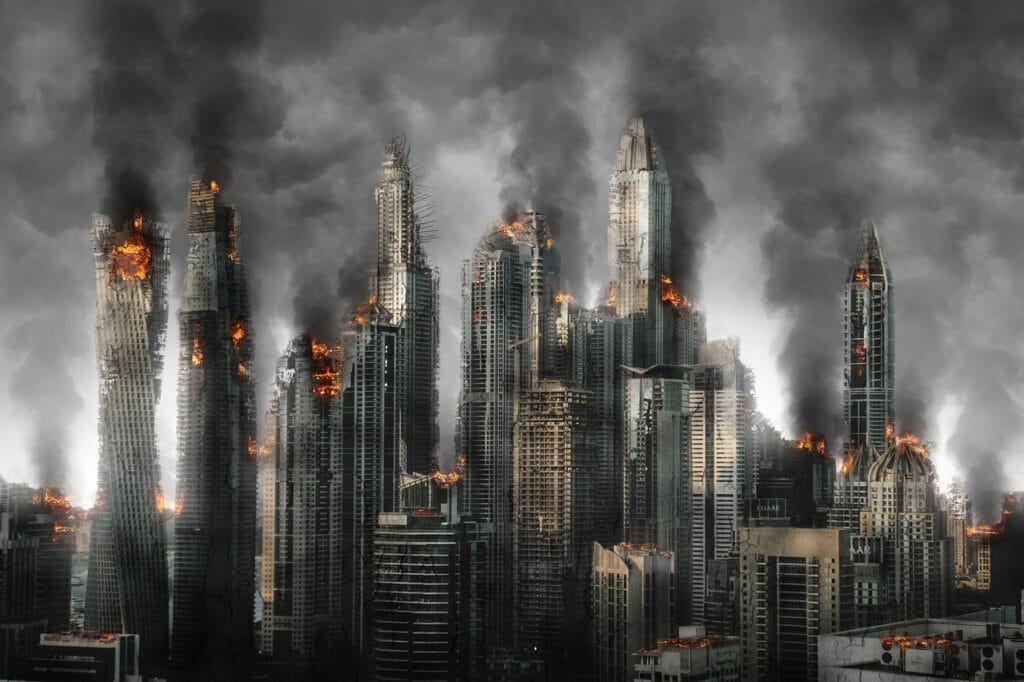
Conflictele armate recente au demonstrat un adevăr crud: rețelele electrice sunt printre cele mai vulnerabile ținte în timpul războiului. Fie că este vorba de atacuri cu rachete, atacuri cibernetice, penurie de combustibil sau sabotaj al infrastructurii, alimentarea cu energie electrică este adesea întreruptă în primele etape ale escaladării militare.
Conflictul dintre Israel și Hamas din 2023-2024, tensiunile transfrontaliere care implică Hezbollah, instabilitatea din Siria și Irak și războiul în curs din Ucraina au scos la iveală fragilitatea sistemelor energetice centralizate. În mai multe regiuni, civilii s-au confruntat cu pene de curent continue, cu întreruperi de curent de câteva zile sau cu opriri complete ale rețelei.
Aceste evenimente ridică o problemă urgentă pentru gospodăriile din întreaga lume:
Cum pot familiile să păstreze energia electrică esențială în timpul penei de curent din timpul războiului?
Răspunsul constă din ce în ce mai mult în reziliența energetică descentralizată - mai exact, sisteme de baterii de stocare a energiei la domiciliu asociate cu producția de energie solară.
Acest articol analizează:
- De ce perturbă războaiele moderne infrastructura electrică
- Ce lecții oferă conflictele recente
- Cum funcționează sistemele de rezervă pentru baterii de acasă
- De câtă capacitate au nevoie familiile
- Considerații privind siguranța, costurile și instalarea
- De ce energia descentralizată devine o necesitate globală
Secțiunea 1: Războiul modern și vulnerabilitatea infrastructurii energetice
1.1 De ce rețelele electrice sunt ținte strategice
Rețelele electrice sunt rețele complexe compuse din:
- Mari centrale electrice centralizate (cărbune, gaz, nuclear, hidro, ferme solare)
- Linii de transport de înaltă tensiune
- Substații și transformatoare regionale
- Lanțurile de aprovizionare cu combustibil
- Sisteme digitale de gestionare a rețelei
- Echipe de întreținere și rețele de comunicații
În timpul războiului, dezactivarea electricității oferă avantaje strategice:
- Slăbește productivitatea economică
- Întrerupe comunicațiile
- Depreciază logistica militară
- Subminează moralul civililor
- Creează presiune umanitară
Ca urmare, centralele electrice și substațiile sunt frecvent vizate.
1.2 Lecții din conflictele recente
Escaladarea în Orientul Mijlociu (2023-2024)
În timpul conflictului dintre Israel și Hamas care a început în octombrie 2023, infrastructura din Gaza a suferit perturbări grave. Lipsa combustibilului a oprit producția de energie. Furnizarea de electricitate a scăzut dramatic. Spitalele s-au bazat în mare măsură pe generatoare. Instalațiile de desalinizare a apei au încetat să funcționeze.
Chiar și în zonele în care rețelele naționale au rămas în mare parte operaționale, măsurile de pregătire pentru situații de urgență au crescut dramatic.
Războiul din Ucraina (2022-prezent)
Atacurile repetate cu rachete au vizat centralele electrice și infrastructura de transport. În timpul lunilor de iarnă, milioane de locuitori au fost afectați de pene de curent continue. Sistemele de încălzire au cedat la temperaturi sub zero grade.
Acest conflict a ilustrat faptul că războiul modern include din ce în ce mai mult războiul de infrastructură.
1.3 Amenințări cibernetice la adresa sistemelor energetice
Dincolo de daunele fizice, rețelele moderne sunt controlate digital. Atacurile cibernetice pot:
- Oprirea substațiilor
- Manipularea distribuției sarcinii
- Cauzează defecțiuni în cascadă
- Dezactivarea sistemelor de monitorizare
Vulnerabilitatea rețelei nu se mai limitează la bombardamentele fizice, ci include și războiul digital.
Secțiunea 2: De ce sunt fragile sistemele energetice centralizate
Rețelele centralizate sunt concepute pentru eficiență, nu pentru reziliență.
Vulnerabilități cheie:
- Liniile de transmisie lungi pot fi ușor deteriorate.
- Centralele electrice unice furnizează milioane de energie.
- Livrarea combustibilului depinde de funcționarea logisticii.
- Echipele de reparații au nevoie de acces sigur.
- Sistemele centralizate nu dispun de redundanță locală.
Atunci când un nod se defectează, pot apărea defecțiuni în cascadă.
În timp de război, timpii de reparație se prelungesc dramatic.
Acest lucru reprezintă un argument puternic în favoarea sistemelor energetice casnice descentralizate.
Secțiunea 3: Ce este un sistem de baterii de stocare a energiei la domiciliu?
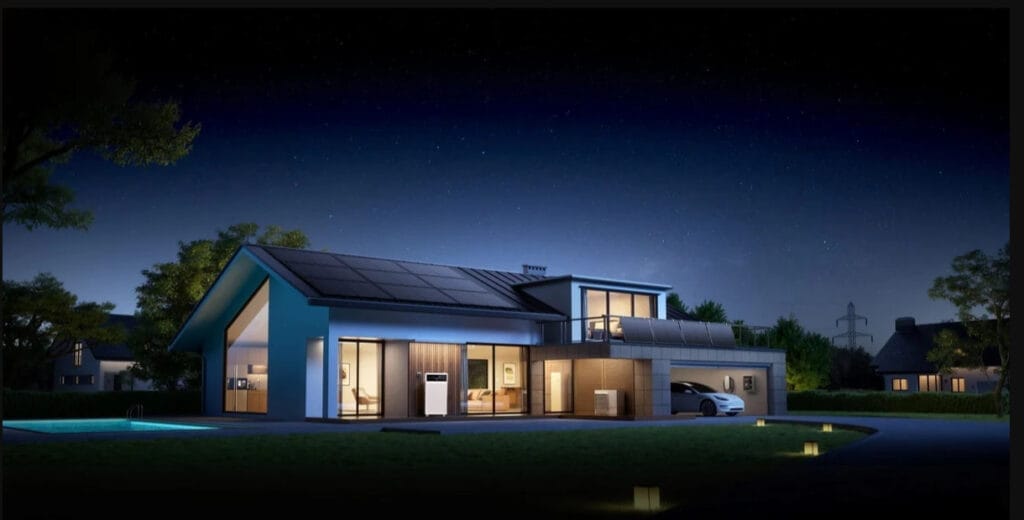
Un sistem de stocare a energiei la domiciliu include de obicei:
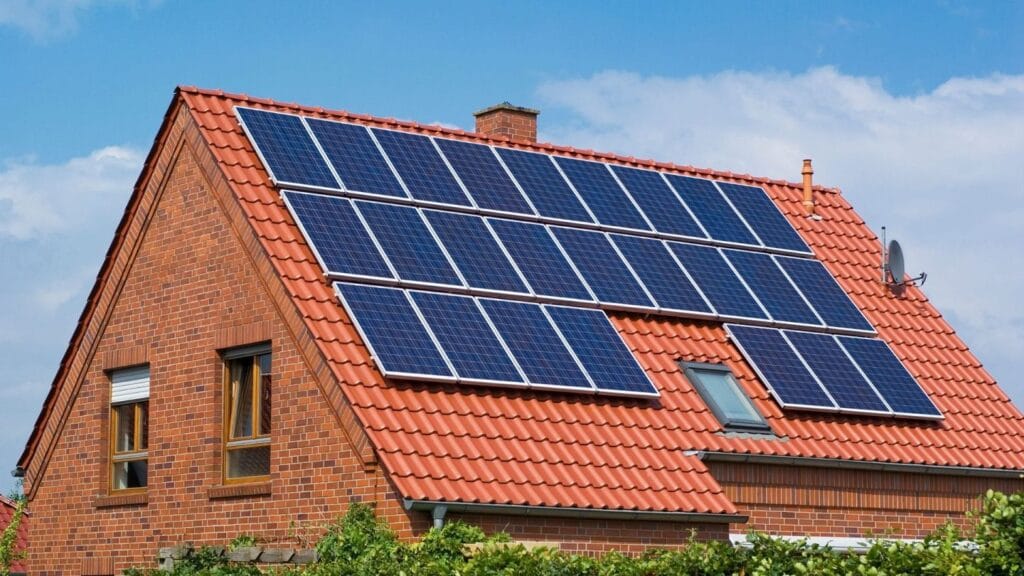
- Panouri solare fotovoltaice
- Stocarea bateriei litiu-ion sau LiFePO4
- Invertor hibrid
- Sistem de gestionare a energiei
- Panou de încărcare de rezervă
Cum funcționează
- Panourile solare generează energie electrică în timpul zilei.
- Energia în exces încarcă bateria.
- Atunci când rețeaua nu funcționează, invertorul trece automat la alimentarea de la baterie.
- Încărcăturile critice rămân alimentate.
Timpul de comutare este de obicei sub 20 de milisecunde.
Spre deosebire de generatoare, nu este nevoie de combustibil.
Secțiunea 4: Cum protejează familiile sistemele de baterii de acasă în timpul războiului
4.1 Menținerea condițiilor de viață de bază
Electrocasnice esențiale alimentate în timpul întreruperilor:
- Frigidere (150-300W)
- Iluminat cu LED-uri (5-15W per bec)
- Încărcătoare de telefon
- Laptopuri
- routere Wi-Fi
- Camere de securitate
- Aparate CPAP
- Concentratoare de oxigen
- Pompe mici de apă
Cu o dimensionare adecvată, acestea pot funcționa timp de 24-72 de ore fără reîncărcare solară.
4.2 Securitatea alimentară în timpul conflictelor
În timp de război, lanțurile de aprovizionare pot fi întrerupte.
Păstrarea alimentelor existente devine esențială.
Un frigider care funcționează 24 de ore din 24 consumă aproximativ 1-2 kWh pe zi. O baterie de 10 kWh poate susține refrigerarea și sarcinile esențiale timp de peste o zi.
Acest lucru previne risipa și reduce stresul de urgență.
4.3 Accesul la apă
Casele care se bazează pe pompe electrice pentru puțuri au nevoie de energie electrică pentru a avea acces la apă.
Bateria de rezervă asigură:
- Accesul la apă potabilă
- Tragerea apei la toaletă
- Salubritate de bază
Accesul la apă este o infrastructură de supraviețuire.
4.4 Continuitatea comunicării
Informațiile din timpul războiului pot determina deciziile de siguranță.
Bateria de rezervă păstrează:
- Rutere de internet operaționale
- Dispozitive mobile încărcate
- Radiouri de urgență alimentate
Accesul la actualizări în timp real îmbunătățește rezultatele supraviețuirii.
4.5 Funcționare silențioasă și cu profil redus
Generatoare:
- Produce zgomot puternic
- Necesită combustibil inflamabil
- Emit monoxid de carbon
- Necesită întreținere
Sisteme de baterii:
- Funcționează silențios
- Nu necesită realimentare
- Nu produc gaze de eșapament
- Necesită întreținere minimă
În medii instabile, funcționarea silențioasă sporește siguranța.
Secțiunea 5: Determinarea capacității bateriei pentru pregătirea în timp de război
Pasul 1: Identificarea încărcărilor critice
Consum zilnic tipic esențial:
- Frigider: 1,5 kWh
- Iluminat: 0,5 kWh
- Internet + dispozitive: 0,5 kWh
- Dispozitiv medical: 2 kWh
- Pompă de apă: 1-2 kWh
Total estimat: 3-8 kWh pe zi
Pasul 2: Alegerea capacității adecvate
Dimensiuni recomandate ale sistemului:
- Apartament: 5-10 kWh
- Casă de familie mică: 10-15 kWh
- Gospodărie mai mare: 15-20 kWh
- Dependență medicală: 20-30 kWh
Pentru reziliența pe mai multe zile, integrarea energiei solare este esențială.
Secțiunea 6: Solar + baterie = reziliență pe termen lung
Fără panouri solare, baterii se epuizează în cele din urmă.
Cu energie solară:
- Lumina zilei reîncarcă bateriile
- Independența crește
- Acoperirea unei pene de curent de mai multe zile devine realistă
Chiar și lumina parțială a soarelui poate susține sarcini esențiale.
Secțiunea 7: Considerații privind siguranța în zonele de conflict
7.1 Chimia bateriei
Fosfatul de fier și litiu (LiFePO4) este preferat deoarece:
- Stabilitate termică mai mare
- Risc redus de incendiu
- Durată de viață lungă (6000+ cicluri)
- Fără dependență de cobalt
7.2 Orientări privind instalarea
- Instalați în zonă ventilată
- Evitarea vulnerabilității structurale directe
- Utilizați electricieni certificați
- Instalați protecție la supratensiune
- Conectați numai circuitele critice
Testarea periodică asigură pregătirea.
Secțiunea 8: Limitări și așteptări realiste
Sisteme de stocare a energiei la domiciliu:
- Nu pot alimenta la nesfârșit sistemele HVAC grele
- depind de lumina soarelui pentru autonomie pe termen lung
- Necesită investiții inițiale
- Nu poate proteja împotriva daunelor structurale
Cu toate acestea, ele cresc semnificativ capacitatea de supraviețuire în timpul penei de curent.
Reziliența parțială este mult superioară dependenței totale.
Secțiunea 9: Beneficiile economice și strategice dincolo de război
Chiar și pe timp de pace, sistemele de baterii de acasă oferă:
- Facturi mai mici la electricitate
- Deplasarea sarcinii de vârf
- Protecția împotriva instabilității rețelei
- Creșterea valorii proprietății
- Reducerea emisiilor de carbon
Independența energetică este deopotrivă strategică și economică.
Secțiunea 10: Întrebări frecvente (FAQ)
Q1: Cât timp poate alimenta o baterie de 10kWh aparatele electrocasnice esențiale?
Aproximativ 24-48 de ore, în funcție de nivelul consumului.
Q2: Este energia solară fiabilă în timpul războiului?
Da. Panourile solare funcționează independent de lanțurile de aprovizionare cu combustibil și continuă să genereze electricitate sub lumina soarelui.
Q3: Bateriile cu litiu sunt sigure?
Sistemele LiFePO4 moderne includ sisteme de gestionare a bateriei (BMS) cu protecție la supraîncărcare, supraîncălzire și scurtcircuit.
Q4: Ce este mai bine în timpul războiului: generator sau baterie?
Sistemele cu baterii sunt mai sigure, mai silențioase și nu depind de combustibil.
Î5: Cât costă un sistem de baterii acasă?
Costurile variază în funcție de regiune și de capacitate, de obicei între $4,000 și $15,000, în funcție de dimensiunea sistemului și de integrarea energiei solare.
Secțiunea 11: Schimbarea globală către energia descentralizată
Conflictele din Orientul Mijlociu și Europa de Est au accelerat conștientizarea globală a vulnerabilității rețelelor.
Guvernele și proprietarii de locuințe investesc din ce în ce mai mult în:
- Microgrile
- Energia solară distribuită
- Stocarea energiei la domiciliu
- Soluții de alimentare de rezervă
Descentralizarea energetică sporește reziliența națională.
Gospodăriile care adoptă aceste sisteme se protejează în viitor împotriva incertitudinii.
Concluzie: Securitatea energetică începe acasă
Războiul perturbă infrastructura. Electricitatea este adesea printre primele victime.
Fără curent:
- Alimentele se strică
- Sistemele de apă nu funcționează
- Întreruperea comunicării
- Închiderea dispozitivelor medicale
Bateriile de stocare a energiei la domiciliu oferă o soluție practică, silențioasă și durabilă.
În timp ce niciun sistem nu garantează securitatea totală, energia descentralizată crește dramatic rezistența familiei.
Într-un peisaj geopolitic imprevizibil, independența energetică nu mai este opțională - este o pregătire responsabilă.