KIM JEST ECAVIX?
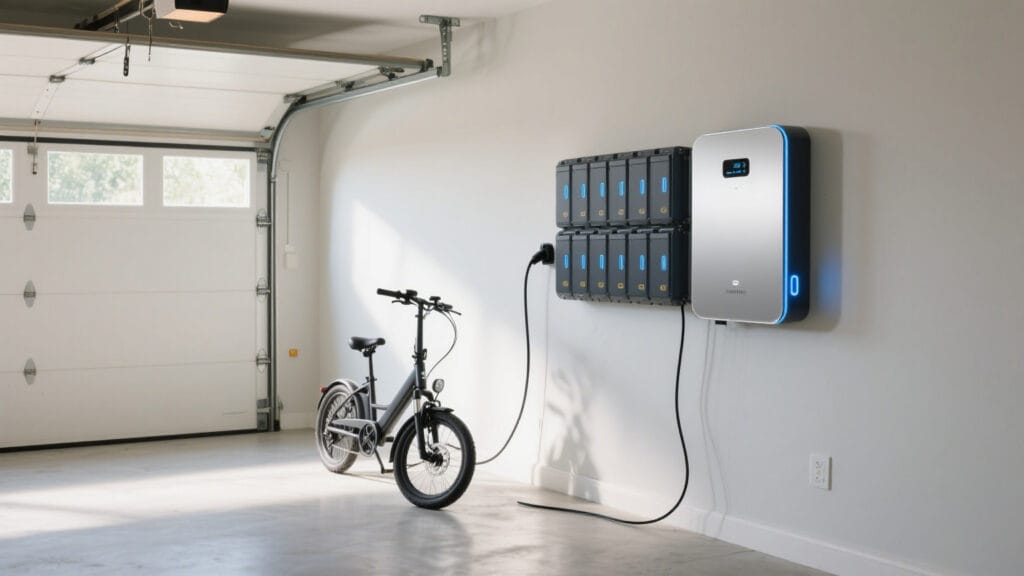
As energy storage technology advances, the choice between a akumulator kwasowo-ołowiowy and a lithium battery has become a common question for solar systems, electric vehicles, and backup power solutions. While both play an important role in modern energy storage, they differ significantly in performance, lifespan, efficiency, and applications.
1. What is a Lead-Acid Battery?
Lead-acid batteries are one of the oldest rechargeable battery technologies. They use lead and lead dioxide plates immersed in a sulfuric acid solution. Widely used in cars, UPS systems, and industrial equipment, they are affordable but heavy and require regular maintenance.
2. What is a Lithium Battery?
Lithium batteries, especially LiFePO₄ (Lithium Iron Phosphate), use lithium-ion movement between electrodes to store and release energy. They offer higher energy density, faster charging, longer lifespan, and improved safety compared to lead-acid.

3. Lead-Acid vs Lithium Battery: Side-by-Side Comparison
| Cecha | Lead-Acid Battery | Lithium Battery (LiFePO₄) |
|---|---|---|
| Gęstość energii | 30–50 Wh/kg | 120–180 Wh/kg |
| Cykl życia | 300-500 cykli | 3,000–6,000+ cycles |
| Charging Efficiency | 70-80% | >90% |
| Weight & Size | Ciężki i nieporęczny | Lightweight and compact |
| Konserwacja | Requires regular check-ups | Bezobsługowy |
| Bezpieczeństwo | Risk of acid leakage & gas release | Stable, no acid, higher safety |
| Wpływ na środowisko | Zawiera ołów, ryzyko zanieczyszczenia | Eco-friendly, recyclable |
| Koszt | Niższy koszt początkowy | Higher initial, but lower total cost of ownership |
4. Advantages of Lithium over Lead-Acid
- Dłuższa żywotność → Up to 10x more cycles
- Higher efficiency → Faster charging & lower energy loss
- Lekki → Easier installation & space-saving
- Safe and green → No toxic lead or acid leakage
- Lepszy zwrot z inwestycji → Although more expensive initially, lithium batteries save costs in the long run

5. Applications of Lithium Batteries
Thanks to their superior performance, lithium batteries are replacing lead-acid in many industries:
- Systemy magazynowania energii słonecznej
- Electric Vehicles (EVs) and eBikes
- Marine and RV Power
- Forklifts and Industrial Equipment
- Zasilacz bezprzerwowy (UPS)
6. Conclusion: Which is Better?
When comparing lead-acid vs lithium batteries, lithium clearly stands out for modern energy needs. While lead-acid batteries are still used for budget-friendly and short-term applications, lithium batteries (especially LiFePO₄) deliver longer lifespan, higher efficiency, and better sustainability—making them the preferred choice for the future of energy storage.
NASZE USŁUGI
Możliwość dostosowania
Jeśli chcesz kupić niestandardowe produkty, skontaktuj się z nami, mamy nadzieję, że wiadomość, skontaktuj się z nami
Bezpieczeństwo
W tym certyfikaty CB, KC, PSE, CE, IEC, ISO, MSDS i UN38.3.
Online
Jeśli masz jakieś pytania, zostaw wiadomość na naszej stronie internetowej lub skontaktuj się z nami przez WhatsApp. Nasz dział obsługi klienta odpowie w ciągu 24 godzin za pośrednictwem poczty elektronicznej/WhatsApp.
Strategiczny
Dostarczamy rozwiązania dostosowane do indywidualnych potrzeb dzięki analizie danych i sprawnej realizacji. Współpracuj z nami, aby przekształcać wyzwania w możliwości - wydajnie i skutecznie ...