Introduction: When the Grid Fails, Survival Becomes Personal
In the modern world, electricity is not merely a convenience—it is the foundation of daily life. Refrigeration preserves food. Water pumps ensure sanitation. Internet connectivity enables communication. Medical devices sustain vulnerable individuals. Security systems protect property and family members. Without electricity, these systems fail.
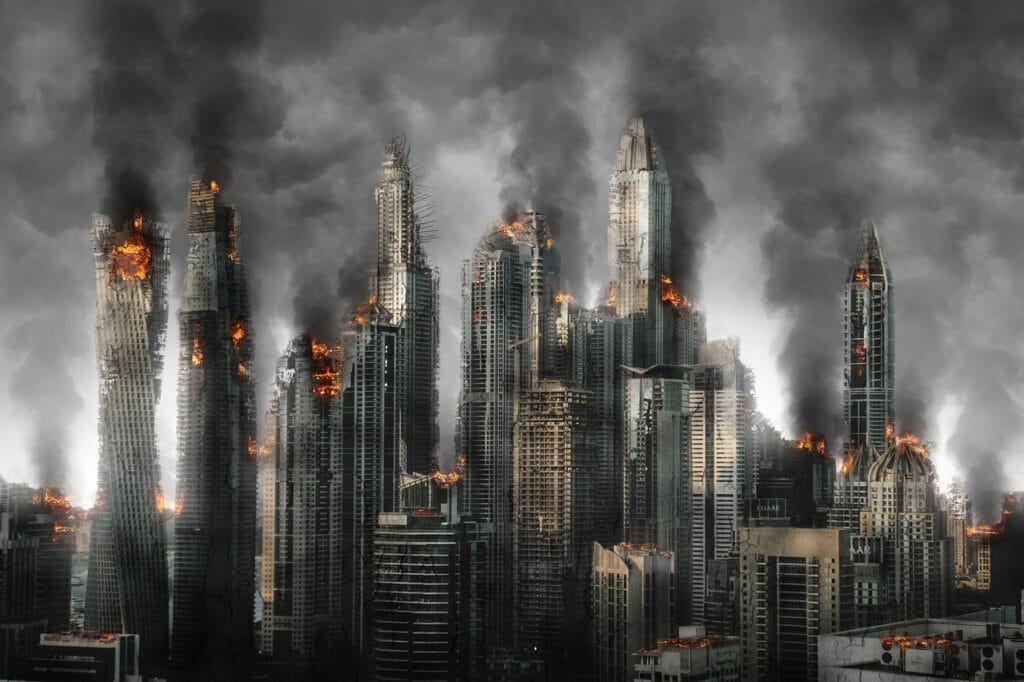
Recent armed conflicts have demonstrated a harsh truth: power grids are among the most vulnerable targets during war. Whether through missile strikes, cyberattacks, fuel shortages, or infrastructure sabotage, electricity supply is often disrupted early in military escalation.
The 2023–2024 Israel–Hamas conflict, cross-border tensions involving Hezbollah, instability in Syria and Iraq, and the ongoing war in Ukraine have all revealed the fragility of centralized energy systems. In several regions, civilians experienced rolling blackouts, days-long power outages, or complete grid shutdowns.
These events raise an urgent question for households worldwide:
How can families maintain essential electricity during war-time blackouts?
The answer increasingly lies in decentralized energy resilience—specifically, home energy storage battery systems paired with solar generation.
This article explores:
- Why modern wars disrupt electricity infrastructure
- What lessons recent conflicts provide
- How home battery backup systems work
- How much capacity families need
- Safety, cost, and installation considerations
- Why decentralized energy is becoming a global necessity
Section 1: Modern Warfare and the Vulnerability of Power Infrastructure
1.1 Why Power Grids Are Strategic Targets
Electric grids are complex networks composed of:
- Large centralized power plants (coal, gas, nuclear, hydro, solar farms)
- High-voltage transmission lines
- Regional substations and transformers
- Fuel supply chains
- Digital grid management systems
- Maintenance crews and communication networks
During war, disabling electricity provides strategic advantages:
- Weakens economic productivity
- Disrupts communications
- Impairs military logistics
- Undermines civilian morale
- Creates humanitarian pressure
As a result, power stations and substations are frequently targeted.
1.2 Lessons from Recent Conflicts
Middle East Escalation (2023–2024)
During the Israel–Hamas conflict beginning in October 2023, infrastructure in Gaza experienced severe disruption. Fuel shortages halted power generation. Electricity supply dropped dramatically. Hospitals relied heavily on generators. Water desalination plants stopped functioning.
Even in areas where national grids remained largely operational, emergency preparedness measures increased dramatically.
Ukraine War (2022–Present)
Repeated missile strikes targeted power plants and transmission infrastructure. During winter months, rolling blackouts affected millions of residents. Heating systems failed in sub-zero temperatures.
This conflict illustrated that modern war increasingly includes infrastructure warfare.
1.3 Cyber Threats to Energy Systems
Beyond physical damage, modern grids are digitally controlled. Cyberattacks can:
- Shut down substations
- Manipulate load distribution
- Cause cascading failures
- Disable monitoring systems
Grid vulnerability is no longer limited to physical bombing—it includes digital warfare.
Section 2: Why Centralized Energy Systems Are Fragile
Centralized grids are designed for efficiency, not resilience.
Key Vulnerabilities:
- Long transmission lines can be easily damaged.
- Single power plants supply millions.
- Fuel delivery depends on functioning logistics.
- Repair crews require safe access.
- Centralized systems lack local redundancy.
When one node fails, cascading failures can occur.
In wartime, repair times extend dramatically.
This creates a strong case for decentralized household energy systems.
Section 3: What Is a Home Energy Storage Battery System?
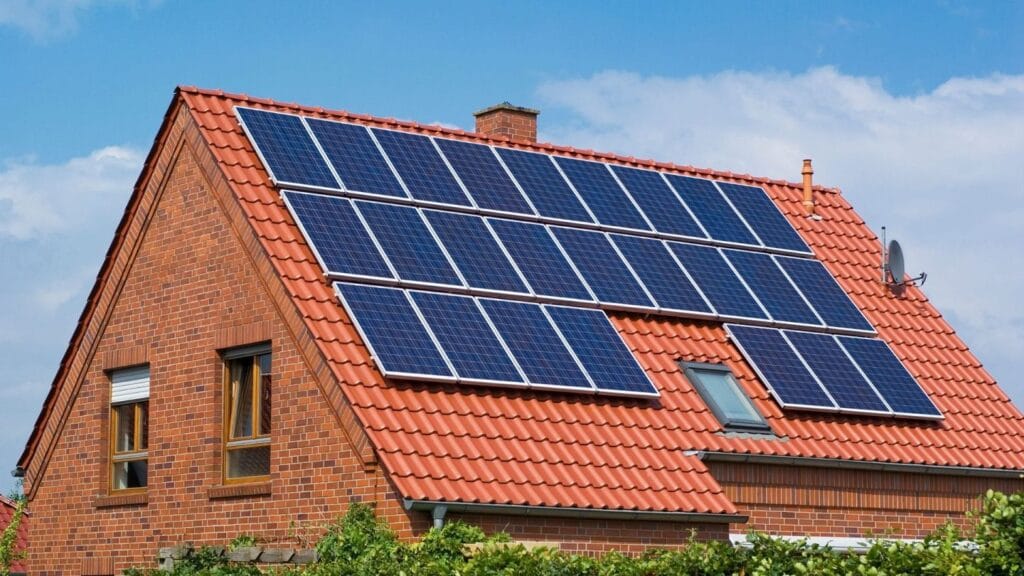
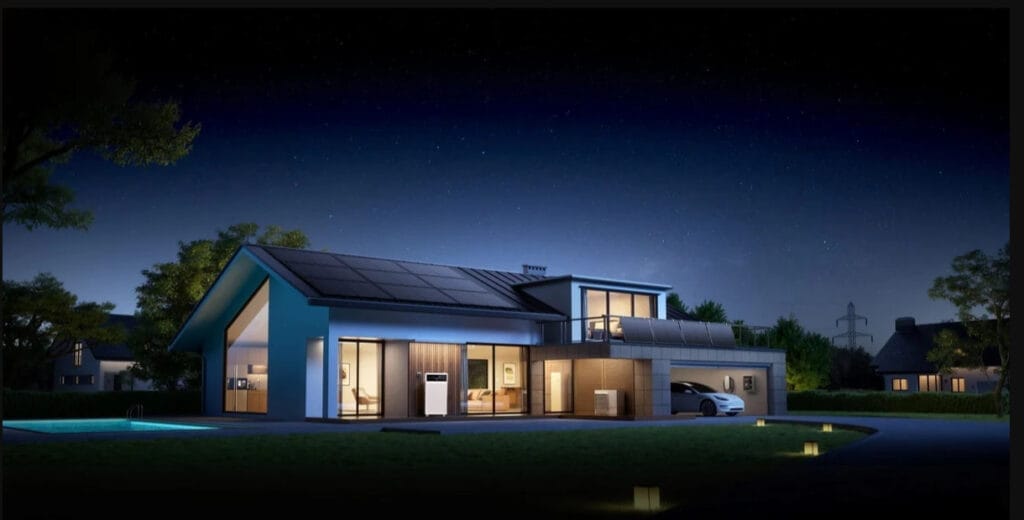
A home energy storage system typically includes:
- Solar photovoltaic panels
- Lithium-ion or LiFePO4 battery storage
- Hybrid inverter
- Energy management system
- Backup load panel
Jak to działa
- Panele słoneczne generują energię elektryczną w ciągu dnia.
- Excess energy charges the battery.
- When the grid fails, the inverter switches to battery power automatically.
- Critical loads remain powered.
Switch-over time is typically under 20 milliseconds.
Unlike generators, no fuel is required.
Section 4: How Home Battery Systems Protect Families During War
4.1 Maintaining Basic Living Conditions
Essential appliances powered during outages:
- Refrigerators (150–300W)
- LED lighting (5–15W per bulb)
- Phone chargers
- Laptops
- Wi-Fi routers
- Security cameras
- CPAP machines
- Oxygen concentrators
- Small water pumps
With proper sizing, these can operate for 24–72 hours without solar recharge.
4.2 Food Security During Conflict
In wartime, supply chains may be disrupted.
Preserving existing food becomes critical.
A refrigerator running 24 hours consumes approximately 1–2 kWh per day. A 10kWh battery can support refrigeration and essential loads for over a day.
This prevents waste and reduces emergency stress.
4.3 Water Access
Homes relying on electric well pumps require power to access water.
Battery backup ensures:
- Drinking water access
- Toilet flushing
- Basic sanitation
Water access is survival infrastructure.
4.4 Communication Continuity
Information during war can determine safety decisions.
Battery backup keeps:
- Internet routers operational
- Mobile devices charged
- Emergency radios powered
Access to real-time updates improves survival outcomes.
4.5 Quiet and Low-Profile Operation
Generators:
- Produce loud noise
- Require flammable fuel
- Emit carbon monoxide
- Need maintenance
Battery systems:
- Operate silently
- Require no refueling
- Produce no exhaust
- Need minimal maintenance
In unstable environments, silent operation enhances safety.
Section 5: Determining Battery Capacity for War-Time Preparedness
Step 1: Identify Critical Loads
Typical essential daily consumption:
- Refrigerator: 1.5 kWh
- Lighting: 0.5 kWh
- Internet + devices: 0.5 kWh
- Medical device: 2 kWh
- Water pump: 1–2 kWh
Estimated total: 3–8 kWh per day
Step 2: Choose Appropriate Capacity
Recommended system sizes:
- Apartment: 5–10 kWh
- Small family home: 10–15 kWh
- Larger household: 15–20 kWh
- Medical dependence: 20–30 kWh
For multi-day resilience, solar integration is essential.
Section 6: Solar + Battery = Long-Term Resilience
Without solar panels, batteries eventually deplete.
With solar:
- Daylight recharges batteries
- Independence increases
- Multi-day blackout coverage becomes realistic
Even partial sunlight can sustain essential loads.
Section 7: Safety Considerations in Conflict Zones
7.1 Battery Chemistry
Lithium Iron Phosphate (LiFePO4) is preferred because:
- Higher thermal stability
- Lower fire risk
- Long lifespan (6000+ cycles)
- No cobalt dependency
7.2 Installation Guidelines
- Install in ventilated area
- Avoid direct structural vulnerability
- Use certified electricians
- Install surge protection
- Connect only critical circuits
Regular testing ensures readiness.
Section 8: Limitations and Realistic Expectations
Home energy storage systems:
- Cannot power heavy HVAC systems indefinitely
- Depend on sunlight for long-term autonomy
- Require upfront investment
- Cannot protect against structural damage
However, they significantly increase survivability during blackouts.
Partial resilience is far superior to total dependence.
Section 9: Economic and Strategic Benefits Beyond War
Even in peacetime, home battery systems provide:
- Lower electricity bills
- Peak load shifting
- Protection from grid instability
- Increased property value
- Carbon emission reduction
Energy independence is both strategic and economic.
Section 10: Frequently Asked Questions (FAQ)
Q1: How long can a 10kWh battery power essential appliances?
Approximately 24–48 hours depending on consumption levels.
Q2: Is solar reliable during war?
Yes. Solar panels operate independently of fuel supply chains and continue generating electricity under sunlight.
Q3: Are lithium batteries safe?
Modern LiFePO4 systems include battery management systems (BMS) with overcharge, overheat, and short-circuit protection.
Q4: What is better during war: generator or battery?
Battery systems are safer, quieter, and do not rely on fuel.
Q5: How much does a home battery system cost?
Costs vary by region and capacity, typically ranging from $4,000 to $15,000 depending on system size and solar integration.
Section 11: The Global Shift Toward Decentralized Energy
Conflicts in the Middle East and Eastern Europe have accelerated global awareness of grid vulnerability.
Governments and homeowners are increasingly investing in:
- Microgrids
- Distributed solar
- Home energy storage
- Backup power solutions
Energy decentralization enhances national resilience.
Households adopting these systems are future-proofing against uncertainty.
Conclusion: Energy Security Begins at Home
War disrupts infrastructure. Electricity is often among the first casualties.
Without power:
- Food spoils
- Water systems fail
- Communication stops
- Medical devices shut down
Home energy storage batteries provide a practical, silent, and sustainable solution.
While no system guarantees total security, decentralized power dramatically increases family resilience.
In an unpredictable geopolitical landscape, energy independence is no longer optional—it is responsible preparation.