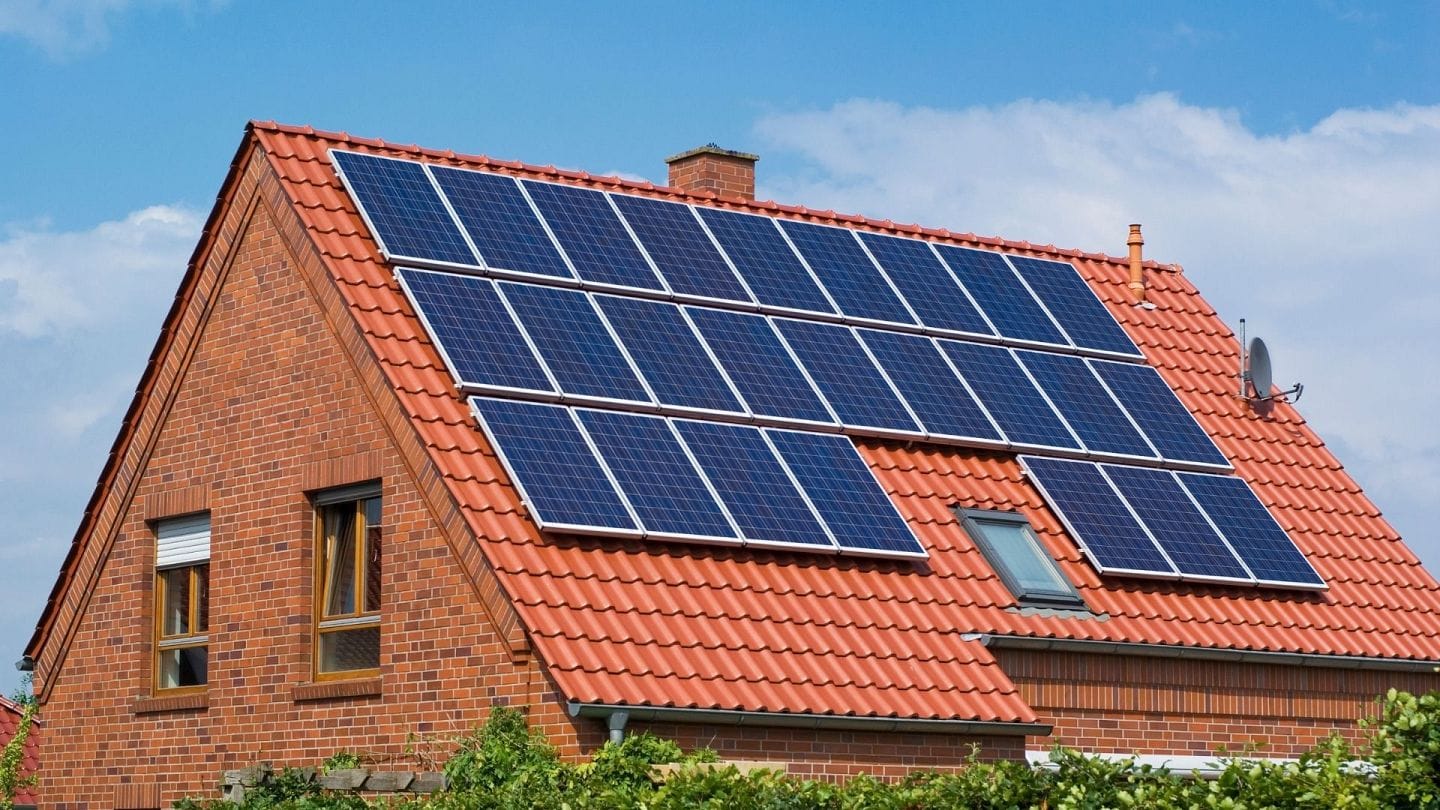
Solar battery storage is becoming one of the most important energy technologies for homeowners in Poland and across Eastern Europe. With electricity prices rising, grid uncertainty increasing, and more households installing photovoltaic systems, energy storage is no longer optional — it is becoming essential.But many homeowners still ask one key question: How does solar battery storage work?
This guide explains everything in simple, practical terms, based on real residential use in Poland, Czech Republic, Romania, Hungary, and other Eastern European countries.
What Is Solar Battery Storage?
Solar battery storage is a system that stores electricity generated by solar panels so it can be used later, instead of sending it to the public grid.
Solar panels produce the most electricity during the day. However, households typically use more electricity in the morning and evening. Without battery storage, much of the solar energy is wasted or sold to the grid at lower prices.
A solar battery solves this mismatch.
It stores excess solar energy and allows you to use it when needed, including:
- Evening hours
- Nighttime
- Cloudy days
- Power outages
This increases energy independence and reduces electricity costs.
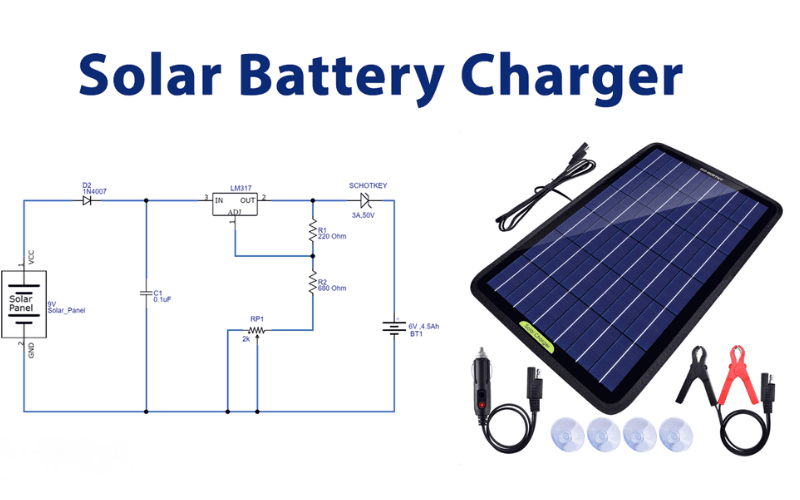
A solar battery storage system works automatically. It manages energy production, storage, and consumption without user intervention.
Here is how it works step by step.
Step 1: Solar Panels Generate Electricity
Solar panels convert sunlight into electricity during the day.
This electricity first powers your home appliances, including:
- Refrigerator
- Lighting
- Washing machine
- Heating systems
- Electronics
This reduces the need to buy electricity from the grid.
Step 2: Excess Energy Charges the Battery
If your solar panels produce more electricity than your home uses, the excess energy is stored in the battery.
For example:
Solar production: 5 kW
Home usage: 2 kW
Excess energy: 3 kW
That extra 3 kW is stored in your solar battery.
Modern lithium batteries, such as Ecavix LiFePO4 home storage systems, can store energy safely and efficiently for later use.
Step 3: Battery Powers Your Home When Solar Stops
In the evening or at night, solar panels stop producing electricity.
At this point, the battery automatically supplies stored electricity to your home.
This reduces or completely eliminates electricity purchases from the grid.
This is especially important in Poland, where evening electricity prices are often higher.
Step 4: Grid Works as Backup Only When Needed
If the battery becomes empty, the system automatically switches to grid electricity.
This ensures uninterrupted power supply.
However, because the battery covers most of your needs, grid usage is significantly reduced.
Main Components of a Solar Battery Storage System
Understanding the components helps explain how the system works efficiently.
Panele słoneczne
Solar panels generate electricity using sunlight.
In Poland, photovoltaic systems produce energy throughout the year, with peak production from spring to autumn.
Even in winter, solar panels continue generating electricity.
Hybrid Inverter
The hybrid inverter is the control center of the system.
It manages:
- Energy conversion
- Battery charging
- Power distribution
- Grid interaction
It ensures optimal system efficiency.
Lithium Battery (Energy Storage)
The battery stores unused solar electricity.
Most modern systems use LiFePO4 lithium batteries because they offer:
- Long lifespan (6000+ cycles)
- Wysokie bezpieczeństwo
- Wysoka wydajność
- Low maintenance
Ecavix home energy storage batteries are designed for European households and support modular expansion from 5 kWh to 30 kWh.
This allows homeowners to scale their system based on energy needs.
System zarządzania akumulatorem (BMS)
The BMS protects the battery and ensures safe operation.
It monitors:
- Temperatura
- Napięcie
- Charging levels
This extends battery lifespan and improves reliability.
Why Solar Battery Storage Is Important in Poland
Poland’s energy market has changed significantly in recent years.
Electricity prices have increased, and the net-billing system means exported solar electricity is compensated at lower market rates.
This makes battery storage financially beneficial.
Instead of selling electricity cheaply, homeowners store it and use it later.
This improves return on investment.
Example of Daily Solar Battery Operation
Morning
Solar panels start producing electricity. Home uses solar energy and battery begins charging.
Afternoon
Solar production peaks. Battery charges fully.
Evening
Solar production stops. Battery powers the home.
Night
Battery continues supplying electricity.
Grid is used only if necessary.
This cycle repeats every day automatically.
Benefits of Solar Battery Storage for Eastern European Homes
Niższe rachunki za prąd
Battery storage reduces dependence on grid electricity.
Homeowners can save significantly on annual electricity costs.
Greater Energy Independence
Battery storage allows homeowners to rely less on utility companies.
This is especially valuable in areas with unstable grids.
Backup Power Protection
During outages, battery systems can power essential devices.
This improves safety and comfort.
Maximum Solar Energy Usage
Without a battery, much solar energy is exported.
With a battery, homeowners use more of their own electricity.
This improves efficiency.
Long-Term Investment Value
Solar batteries typically last 10–15 years.
This makes them a stable long-term energy solution.
Why LiFePO4 Batteries Are the Best Choice
LiFePO4 batteries are widely used in Europe because they offer:
- Superior safety
- Długa żywotność
- Wysoka wydajność
- Stable performance
Compared to older lead-acid batteries, lithium batteries are more reliable and require no maintenance.
Ecavix LiFePO4 home batteries are designed specifically for residential solar storage applications.
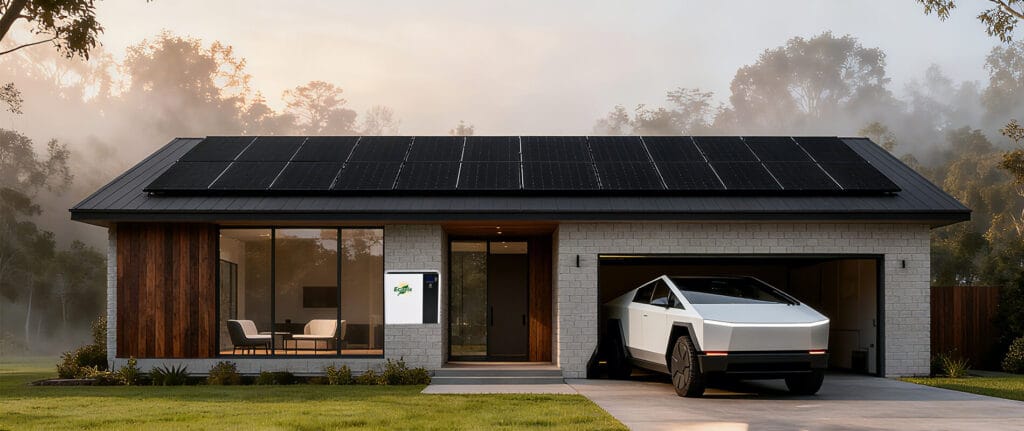
Typical Battery Sizes for Polish Homes
Small apartments: 5 kWh
Medium homes: 10 kWh
Large homes: 15–20 kWh
Large houses or businesses: 20–30 kWh
The correct size depends on electricity consumption and solar system size.
Is Solar Battery Storage Worth It in Poland?
Yes. For most homeowners with solar panels, battery storage provides clear benefits.
It reduces electricity bills, increases energy independence, and improves system efficiency.
With rising electricity prices across Eastern Europe, battery storage is becoming a standard part of solar installations.
Future of Solar Battery Storage in Eastern Europe
Energy storage adoption is growing rapidly in Poland and neighboring countries.
Falling battery costs and improved technology are making systems more accessible.
More homeowners are investing in battery storage to protect against rising electricity costs.
Energy storage will play a key role in Europe’s energy transition.
Wnioski
Solar battery storage allows homeowners to store solar energy and use it when needed. It improves energy independence, reduces electricity bills, and increases solar efficiency.
For households in Poland and Eastern Europe, solar battery storage is a smart and future-proof investment.
With modern lithium battery systems like Ecavix home energy storage solutions, homeowners can achieve reliable, efficient, and scalable energy storage.
As electricity prices continue to rise, solar battery storage is becoming essential for modern homes.