Die weltweite Umstellung auf saubere Energie beschleunigt sich, und Hausbesitzer suchen jetzt nach praktischen Möglichkeiten, ihre Stromrechnungen zu senken und langfristige Energiesicherheit zu erreichen. Zu den wirksamsten Lösungen gehören die Heimsolarbatterie zeichnet sich als bahnbrechende Technologie aus. Sie ermöglicht es Haushalten, Sonnenenergie einzufangen und zu speichern, um sie jederzeit nutzen zu können - nachts, zu Spitzenpreiszeiten oder im Falle eines Stromausfalls.
In diesem umfassenden Leitfaden aus dem Jahr 2025 erfahren Sie alles, was Sie über Solarbatterien für den Hausgebrauch wissen müssen: wie sie funktionieren, warum sie wichtig sind, welche Vorteile sie bieten und wie Sie die richtige Batterie für Ihr Haus auswählen.
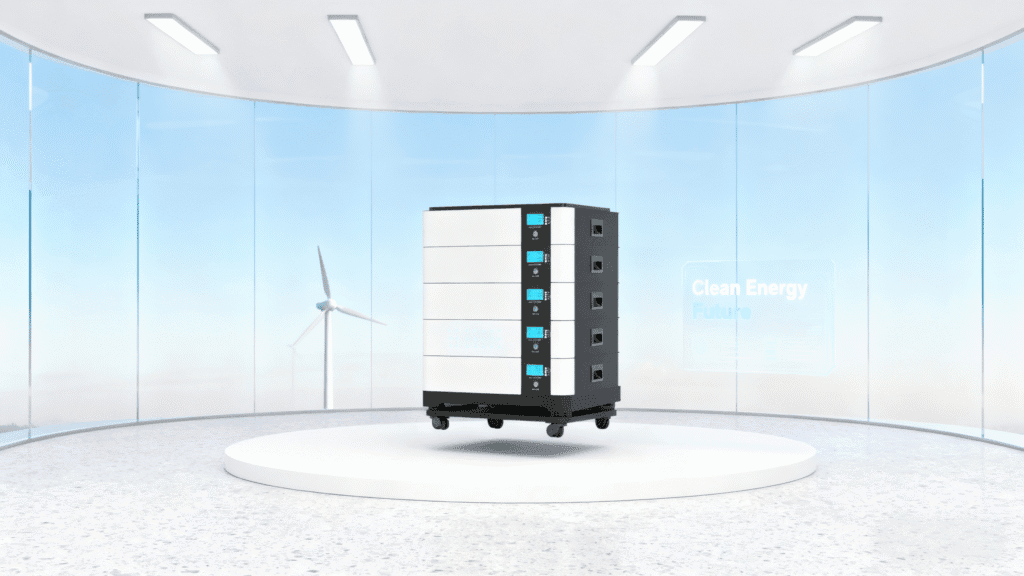
Was ist eine Solarbatterie für zu Hause?
Eine Solarbatterie ist ein Energiespeicher, der überschüssigen Strom speichert, der von Ihren Solarmodulen erzeugt wird. Anstatt ungenutzten Strom zu niedrigen Rückkaufsgebühren in das Netz einzuspeisen, speichern Sie ihn und nutzen ihn später, wenn er am wertvollsten ist.
Die meisten Solarbatterien für den Hausgebrauch verwenden heute moderne LiFePO₄ (Lithium-Eisen-Phosphat) Chemie, bekannt für:
- Außergewöhnliche Sicherheit
- Lange Lebensdauer (6000+ Zyklen)
- Hohe Effizienz
- Stabile Leistung bei allen Wetterbedingungen
Mit einer Batterie wird Ihre Solarenergie zu einer zuverlässigen Stromquelle, die rund um die Uhr zur Verfügung steht und nicht nur tagsüber genutzt wird.
Warum Solarbatterien für den Hausgebrauch unverzichtbar werden
1. Signifikante Einsparungen bei der Stromrechnung
Die Strompreise in Europa, Nordamerika, Australien und Afrika sind in den letzten Jahren stark gestiegen. Mit einem Solar- und Batteriesystem können Sie Ihre Rechnung senken:
- Billige Sonnenenergie tagsüber speichern
- Nutzung während der teuren Abendspitzenzeiten
- Vermeidung von Spitzenlasttarifen und Energiepreisspitzen
Viele Hauseigentümer berichten 60-90% Rechnungskürzungen, je nach Verbrauch und Systemgröße.
2. Notstromversorgung bei Stromausfällen
Einer der attraktivsten Vorteile ist Energiesicherheit. Im Gegensatz zu reinen Solarsystemen, die sich bei einem Stromausfall abschalten, ist eine Solarbatterie:
- Hält Licht, WiFi, Kühlschränke und medizinische Geräte am Laufen
- Schaltet automatisch in den Backup-Modus
- Kann Ihr Haus stundenlang - oder bei ausreichender Kapazität sogar tagelang - versorgen
Dies ist besonders wertvoll in Regionen mit instabilen Netzen oder extremen Wetterbedingungen.
3. Größere Energieunabhängigkeit
Mit einer Solarbatterie sind Sie weniger abhängig von den Energieversorgern, deren Preise und Richtlinien oft schwanken. Wenn Ihr Haus seinen eigenen Strom erzeugt und speichert, gewinnen Sie die Freiheit, Ihren Energieverbrauch nach Ihren Vorstellungen zu steuern.
Für einige Haushalte, insbesondere in ländlichen oder netzfernen Gegenden, kann ein Batteriesystem Folgendes bieten vollständige Unabhängigkeit aus dem Netz.
4. Maximierung der Nutzung von Solarenergie
Ohne eine Batterie fließt ein großer Prozentsatz Ihrer Solarenergie zurück ins Netz - oft mit geringem finanziellen Ertrag. Mit einem Batteriespeicher können Sie:
- Fast die gesamte überschüssige Energie auffangen
- Verwenden Sie es, wenn die Sonnenkollektoren inaktiv sind
- Erreichen Sie bis zu 90% solare Eigenverbrauchsanlage
Dadurch werden Ihre Paneele zu einem zuverlässigen Stromsystem, das rund um die Uhr funktioniert.
5. Umweltfreundlich und zukunftssicher
Solarbatterien für den Hausgebrauch verringern Ihren CO2-Fußabdruck und unterstützen gleichzeitig die weltweite Umstellung auf erneuerbare Energien. LiFePO₄-Batterien sind ungiftig und haben stabile chemische Eigenschaften, was sie zu einer der umweltfreundlichsten Speichertechnologien der Welt macht.
Da die Regierungen die Energievorschriften verschärfen und die Einführung sauberer Energien fördern, ist die Investition in eine Solarbatterie nicht nur praktisch, sondern auch zukunftssicher.

Wie eine Solarbatterie für zu Hause funktioniert
- Solarmodule absorbieren Sonnenlicht und wandeln sie in Strom um.
- Elektrizität versorgt zunächst die aktiven Geräte in Ihrem Haus.
- Überschüssige Energie wird in der Hausbatterie gespeichert.
- Wenn die Solarproduktion stoppt, gibt die Batterie die gespeicherte Energie frei.
- Ein intelligenter Wechselrichter steuert den Stromfluss, um Sicherheit und Effizienz zu gewährleisten.
- Ein Batteriemanagementsystem (BMS) überwacht Temperatur, Spannung und Ladezyklen.
Moderne Systeme sind hochgradig automatisiert - einmal installiert, erfordern sie nur minimale Wartung und arbeiten geräuschlos.
Arten von Solarbatterien für den Hausgebrauch
1. Lithium-Eisenphosphat (LiFePO₄)
Der Goldstandard für die Energiespeicherung zu Hause.
Vorteile:
- Sicherste Lithium-Technologie
- Lange Lebensdauer (10-15 Jahre)
- Hoher Wirkungsgrad (≥90%)
- Leicht und kompakt
- Ausgezeichnete thermische Stabilität
Sie ist weltweit die häufigste Wahl für Solarsysteme in Privathaushalten.
2. Lithium, Nickel, Mangan, Kobalt (NMC)
Wird in einigen Backup-Systemen verwendet, erzeugt jedoch mehr Wärme und hat eine kürzere Lebensdauer als LiFePO₄. Typischerweise in Batterien der ersten Generation zu finden.
3. Blei-Säure-Batterien (Traditionell)
Obwohl sie immer noch in netzunabhängigen Hütten verwendet werden, verschwinden sie allmählich aufgrund von:
- Kurze Lebenserwartung
- Geringe Effizienz
- Hoher Wartungsbedarf
- Schweres Gewicht
Für moderne Häuser ist Lithium die beste Wahl.
Welche Größe benötigen Sie für Ihre Solarbatterie?
Die Wahl der richtigen Kapazität hängt von Ihrem täglichen Stromverbrauch ab und davon, ob Sie eine teilweise oder vollständige Datensicherung wünschen.
| Haushaltstyp | Täglicher Verbrauch | Empfohlene Batterie |
|---|---|---|
| Kleines Appartement | 4-6 kWh | 5 kWh-Akku |
| Medium Heim | 8-12 kWh | 10-15 kWh Batterie |
| Großes Familienhaus | 15-25 kWh | 20-30 kWh Batterie |
| Off-Grid-Häuser | 30-50+ kWh | 30-60 kWh oder mehr |
Eine übliche Vorgehensweise ist:
- 5 kWh für den leichten Gebrauch
- 10 kWh für typische Familien
- 15-20 kWh für Häuser mit Klimaanlage oder EV-Ladestation
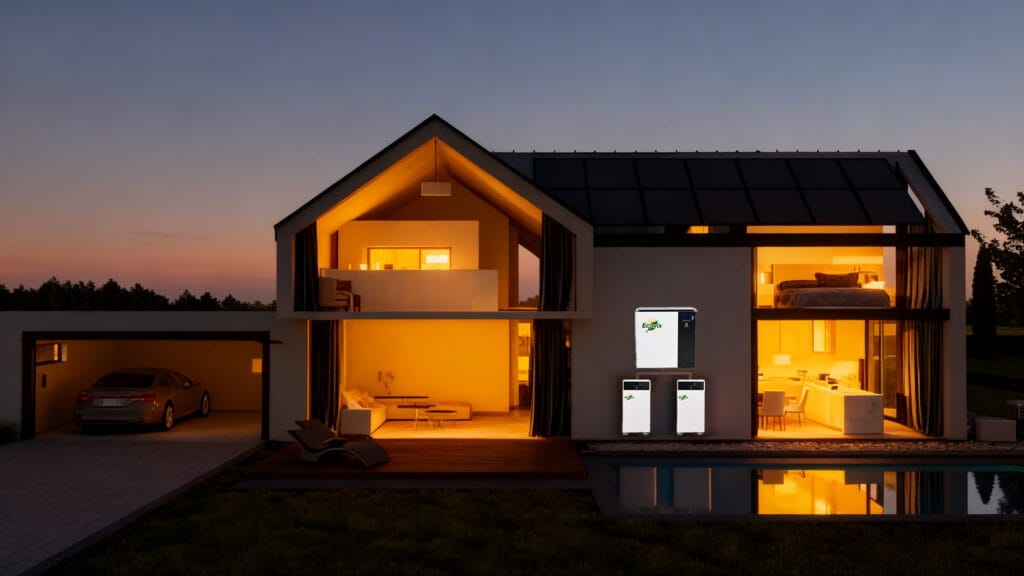
Wo sind Solarbatterien für den Hausgebrauch am nützlichsten?
- Städtische Haushalte mit hohen Stromtarifen
- Ländliche Gebiete mit schwachen oder instabilen Netzen
- Netzunabhängige Hütten und Ferienhäuser
- Solarbetriebene intelligente Häuser
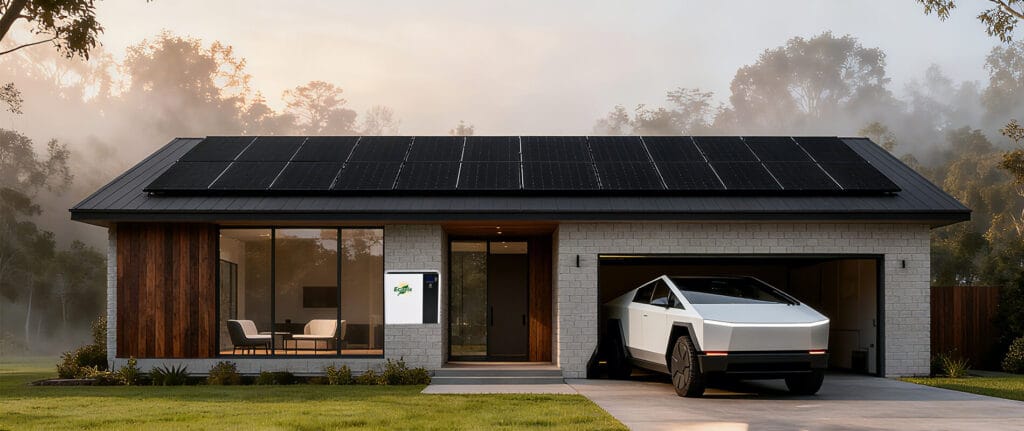
- Immobilien mit EV-Ladegeräten oder Wärmepumpen
- Unternehmen, die wichtige Geräte betreiben
Immer mehr Hauseigentümer kombinieren Solarbatterien mit:
- Intelligente Zähler
- Apps für das Energiemanagement zu Hause
- Strategien zur Spitzenlastreduzierung
- Optimierung des Nutzungszeittarifs
Dadurch wird die wirtschaftliche Rentabilität des Systems maximiert.
Installation und Wartung
Installationsprozess
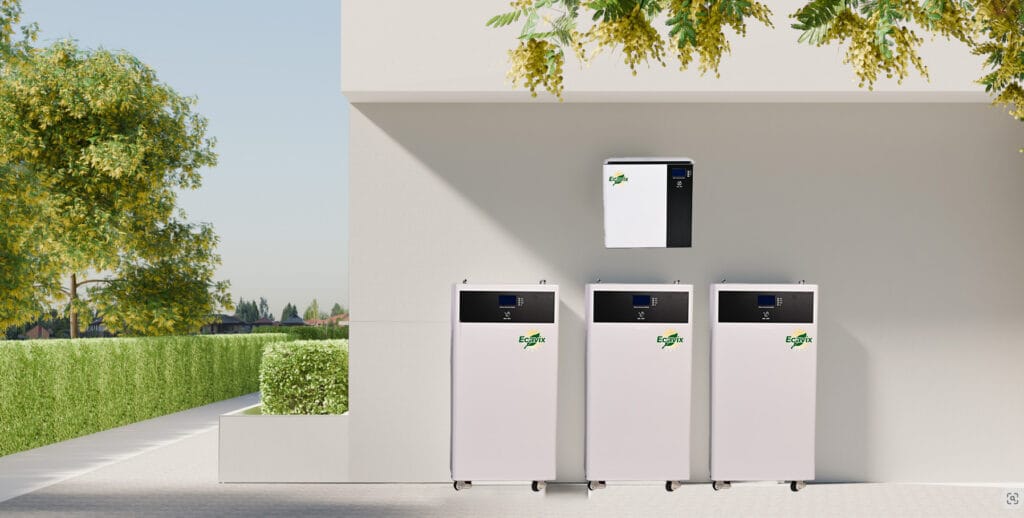
Eine typische Installation dauert 2-5 Stunden, je nach Verkabelung und Lage der Batterie. Die Batterie kann installiert werden:
- Innenräume (Hauswirtschaftsraum, Keller, Garage)
- Im Freien in wetterfesten Schränken
- Wandmontiert
- Bodenstehende modulare Regale
Wartung
LiFePO₄-Batterien benötigen dank des fortschrittlichen BMS-Schutzes fast keine Wartung. Einfach aufbewahren:
- Angemessene Belüftung
- Die Batterie von extremer Hitze fernhalten
- Aktualisierung der Firmware, falls Ihr System dies unterstützt
Die meisten Systeme laufen bei minimaler Wartung über ein Jahrzehnt.
Wie lange hält eine Solarbatterie für den Hausgebrauch?
Die Batterielebensdauer hängt ab von:
- Ladungszyklen
- Temperaturbedingungen
- Qualität des BMS
- Tiefe des Abflusses
Ein hochwertiger LiFePO₄-Akku für den Hausgebrauch hält in der Regel lange:
- Über 6000 Zyklen
- 10–15 Jahre bei regelmäßiger Nutzung
Auch danach behält der Akku in der Regel 70-80% seiner ursprünglichen Kapazität.
Kosten für Solarbatterien zu Hause
Im Jahr 2025 variiert der Preis für eine Solarbatterie für den Hausgebrauch je nach Kapazität und Marke.
Typische Marktpreise:
- 5 kWh: $1.200 - $2.000
- 10 kWh: $2.000 - $3.500
- 15 kWh: $3.500 - $5.000
- 20+ kWh: $5.000 - $8.000
Die Kosten sinken weiter, da die weltweite Produktion zunimmt, so dass die Speicherung auch für Hausbesitzer erschwinglich wird.
Die Kapitalrendite (ROI) tritt oft innerhalb von 4-7 Jahre, je nach den örtlichen Strompreisen.
Lohnt sich eine Solarbatterie für den Hausgebrauch?
Auf jeden Fall - vor allem, wenn Sie:
- Sie wollen niedrigere Stromrechnungen
- Häufige Stromausfälle
- den solaren Eigenverbrauch erhöhen wollen
- Bereiten Sie sich auf steigende Energiepreise vor
- Eigene EV-Ladegeräte oder Wärmepumpen
- Langfristig nachhaltiges Leben planen
Für die meisten Haushalte bietet eine Haussolarbatterie sowohl finanzielle Vorteile und Energiesicherheit die traditionelle netzgekoppelte Systeme nicht erreichen können.
Zukünftige Trends bei der Heimsolarspeicherung
Der Markt für Heimbatterien entwickelt sich rasant weiter. Zu den wichtigsten Trends gehören:
- Höhere Energiedichte und kleinere Designs
- Erschwinglichere LiFePO₄-Systeme
- KI-gesteuertes Energiemanagement
- Integration mit EV-Ladesystemen
- Modular erweiterbare Systeme für wachsende Familien
Energieunabhängigkeit wird nicht nur zu einer Lifestyle-Entscheidung, sondern zu einem globalen Standard für intelligente Häuser.
Schlussfolgerung: Energie für Ihr Zuhause, auf Ihre Art
A Heimsolarbatterie ist eine der klügsten Investitionen, die ein Hauseigentümer im Jahr 2025 tätigen kann. Sie bietet eine zuverlässige Notstromversorgung, senkt die Stromrechnungen, erhöht die Solarnutzung und steigert die Energieunabhängigkeit Ihres Hauses insgesamt.
Ob Sie nun mehr Sicherheit, langfristige Einsparungen oder einen nachhaltigeren Lebensstil anstreben, mit einem Solarbatteriesystem haben Sie die volle Kontrolle über Ihre Energiezukunft.