Dieser Artikel ist für Hausbesitzer und kleine Unternehmen, die bereits ein Batterie-Backup-System haben (oder dies in Erwägung ziehen) und ein zuverlässiges System wünschen Blei-Säure-Ersatz mit besserer Sicherheit, Lebensdauer und Leistung.
Direkte Antwort (erste 150 Wörter):
Der Ersatz von Blei-Säure-Batterien für die Hausbatterie bedeutet in der Regel den Wechsel zu einer moderneren Chemie - in der Regel Lithium-Eisenphosphat (LiFePO₄)-um eine längere Lebensdauer, eine größere nutzbare Kapazität, ein geringeres Gewicht und niedrigere Lebensdauerkosten zu erreichen. Der beste Ersatz hängt von Ihrem täglichen Energieverbrauch (kWh), der Dauer der Datensicherung, der Kompatibilität mit dem Wechselrichter und den Sicherheitsanforderungen ab. In den meisten Heimkonfigurationen liefert LiFePO₄ 2-5× mehr nutzbare Zyklen als Blei-Säure-Batterien, die weniger Wartung benötigen. Die Gesamtkosten hängen jedoch von der Batteriegröße, der BMS-Qualität, der Garantie und den Installations-Upgrades ab. Im Folgenden finden Sie eine praktische Schritt-für-Schritt-Anleitung für die Auswahl, Dimensionierung und Validierung eines Blei-Säure-Ersatzes, der zu Ihrem Heim-Batterie-Backup-System passt.
Warum Hausbesitzer Bleisäurebatterien austauschen
Blei-Säure-Batterien werden seit Jahrzehnten für die Stromversorgung von Heim-Backup-Systemen verwendet, haben aber bei der modernen Nutzung Nachteile:
- Begrenzte nutzbare Kapazität: Die typische empfohlene Abladetiefe (DoD) beträgt 50% um das Leben zu erhalten.
- Kurze Zyklusdauer: Häufig 300-800 Zyklen unter 50% DoD.
- Schwer und sperrig: Hohes Gewicht pro kWh.
- Wartung: Bei überfluteten Bleiakkus muss regelmäßig Wasser nachgefüllt werden.
- Langsames Aufladen: Weniger effizient für Solar-/Backup-Systeme.
Angesichts der Instabilität des Stromnetzes und der wachsenden Nachfrage nach Energiespeichern für den Hausgebrauch wünschen sich Hausbesitzer eine Blei-Säure-Ersatz die mehr nutzbare Energie, eine längere Lebensdauer und niedrigere Lebensdauerkosten bietet. Deshalb LiFePO₄ hat sich zum beliebtesten Hausbatterie-Backup Upgrade.
Blei-Säure vs. Lithium: Die wichtigsten Unterschiede
Nutzbare Kapazität
- Blei-Säure: ~50% brauchbar (um Schäden zu vermeiden).
- LiFePO₄: 80-95% verwendbar sicher.
Zykluslebensdauer (typisch)
- Blei-Säure: 300-800 Zyklen
- AGM/Gel: 500-1.200 Zyklen
- LiFePO₄: 3.000–6.000 Zyklen
Beispiel: bei 1 Zyklus/Tag, 3.000 Zyklen ≈ 8,2 Jahre.
Wirkungsgrad
- Blei-Säure: 70-85% Hin- und Rückflug
- LiFePO₄: 90-95%
Gewicht
- Blei-Säure: ~25-35 kg pro kWh
- LiFePO₄: 10-15 kg pro kWh
Sicherheit
LiFePO₄ wird als eine der sichersten Lithium-Chemien, mit hoher thermischer Stabilität. Das ist einer der Hauptgründe, warum es bevorzugt wird in Hausbatterie-Backup Systeme.
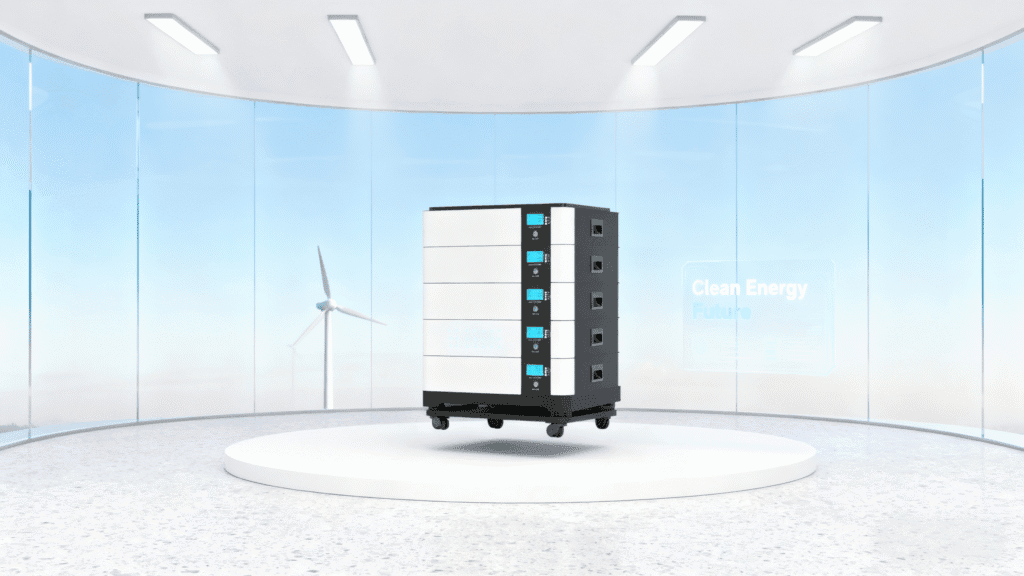
Wie man eine Ersatzbatterie dimensioniert
Die Dimensionierung ist der wichtigste Schritt für einen erfolgreichen Blei-Säure-Ersatz.
Schritt 1: Berechnen Sie Ihre kritischen Lasten
Listen Sie die Geräte auf, die Sie während des Stromausfalls betreiben müssen:
- Kühlschrank: 150-200 W
- Wi-Fi + Beleuchtung: 100-200 W
- Medizinisches Gerät: 50-300 W
- Kleine AC/Heizung: 500-1,200 W
Schritt 2: Schätzung der Laufzeit
Wenn Ihre kritische Last 1,000 W und Sie brauchen 8 Stunden, dann:
1.000 W × 8 h = 8.000 Wh = 8 kWh
Schritt 3: DoD anwenden
- Blei-Säure @50% DoD → Bedarf 16 kWh Batterie
- LiFePO₄ @90% DoD → Bedarf ~9 kWh Batterie
Aus diesem Grund wird LiFePO₄ mit der Zeit kleiner und kostengünstiger.
Checkliste zur Kompatibilität (Wechselrichter, BMS, Verkabelung)
Ihr Blei-Säure-Ersatz müssen übereinstimmen:
Akku-Spannung
Gemeinsame Systeme: 12 V, 24 V, 48 V.
Die meisten modernen Heimbatterie-Backups verwenden 48V.
Wechselrichter-Ladeprofil
Bei der Blei-Säure-Ladung wird das Prinzip Bulk/Absorption/Float verwendet. Lithium verwendet oft Einfacher CC-CV.
Stellen Sie sicher, dass Ihr Wechselrichter Lithium-Einstellungen unterstützt.
BMS (Batterie-Management-System)
LiFePO₄ erfordert ein geeignetes BMS für:
- Über-/Unterspannungsschutz
- Temperaturschutz
- Strombilanzierung
Kabel + Sicherungswerte
Lithium kann höhere Ströme abgeben. Rüsten Sie Kabel und Sicherungen entsprechend auf.
Sicherheit, Zertifizierungen und Installation
Für ein Batterie-Backup zu Hause sollten Sie Systemen den Vorzug geben, die:
- UL 1973 / UL 9540 gelistete Batterien
- UN 38.3 Transportbescheinigung
- Wärmeschutz + feuerfeste Kapselung
- Lokale elektrische Konformität
Profi-Tipp: Wenn Sie in einem regulierten Markt leben (EU/UK), stellen Sie sicher, dass CE, RoHS, und die Einhaltung der Netzzusammenschaltung.
Kosten, Amortisation und Lebenszeitwert
Einmalige Kosten vs. Kosten über die gesamte Lebensdauer
Blei-Säure-Akkus sind in der Anschaffung billiger, aber auf Dauer teurer.
Beispiel für einen 10-Jahres-Kostenvergleich (9 kWh nutzbar):
| Akku-Typ | Vorabkosten | Zyklus Leben | Nutzbare kWh | Kosten pro nutzbare kWh |
|---|---|---|---|---|
| Blei-Säure | $2,000 | 600 | 4,5 kWh | ~$0.74 |
| LiFePO₄ | $4,500 | 4,000 | 8,5 kWh | ~$0.13 |
(Geschätzte Spannen; die tatsächlichen Kosten hängen von Markt und Marke ab).
Warum das wichtig ist
Selbst bei höheren Vorlaufkosten, Blei-Säure-Ersatz zahlt sich normalerweise aus in 2-5 Jahre, besonders, wenn Sie täglich mit dem Fahrrad fahren, um Solarstrom selbst zu verbrauchen.
Empfohlene Konfigurationen für Home Battery Backup
Kleiner Haushalt (3-5 kWh nutzbar)
- 48V 60-100Ah LiFePO₄-Akku
- 3-5 kW Wechselrichter
Mittlerer Haushalt (8-12 kWh nutzbar)
- 48V 200Ah LiFePO₄-Akku
- 5-8 kW Wechselrichter
- Panel für kritische Lasten aufteilen
Großer Haushalt / Häufige Ausfälle (15-20 kWh)
- 2× 48V 200Ah parallel
- 8-12 kW Wechselrichter
- Optionale Integration von Generator oder Solaranlage
Checkliste & Anfragevorlage für den Einkauf
Checkliste für den Kauf
- Primäre Nutzung: nur Backup / tägliches Radfahren / Solar
- Benötigte Laufzeit (Stunden)
- Systemspannung (12/24/48V)
- Inverter-Modell + Lithium-Unterstützung
- Erforderliche Zertifizierungen (UL/CE/UN38.3)
- Versandbeschränkungen (Gewicht und Größe)
Anfragevorlage (Kopieren/Einfügen)
Thema: Anfrage - Blei-Säure-Ersatz für Home-Batterie-Backup
Hallo,
Wir suchen einen LiFePO₄-Blei-Säure-Ersatz für Hausbatterie-Backup Systeme.
Bitte zitieren Sie auf der Basis von:
- Spannung: ___ V
- Kapazität: ___ Ah
- Nutzbare Energie: ___ kWh
- Anzahl: ___ Sätze
- Bescheinigungen: ___
- Garantie: ___ Jahre
Bitte geben Sie das Datenblatt, die BMS-Spezifikationen und die Vorlaufzeit an.
Ich danke Ihnen.
FAQ (Featured Snippet bereit)
Q1: Welches ist der beste Blei-Säure-Ersatz für die Backup-Batterie zu Hause?
Die meisten Hauseigentümer wählen LiFePO₄ weil sie die sicherste Lithiumchemie, eine lange Zykluslebensdauer und eine hohe nutzbare Kapazität bietet. Sie liefert 2-5x mehr nutzbare Zyklen als Blei-Säure-Akkus für den typischen Hausgebrauch.
F2: Kann ich eine Lithium-Batterie mit meinem vorhandenen Blei-Säure-Wechselrichter verwenden?
Vielleicht. Viele Wechselrichter können für Lithium konfiguriert werden, aber einige ältere Modelle unterstützen nur Blei-Säure-Ladeprofile. Prüfen Sie vor dem Wechsel immer die Firmware und die Einstellungen des Wechselrichters.
F3: Lohnt sich ein Blei-Säure-Ersatz für den reinen Backup-Einsatz?
Ja, wenn Sie weniger Wartung und eine längere Lebensdauer wünschen. Selbst wenn Sie nur ein paar Mal im Jahr zyklisch fahren, hält Lithium länger im Kalender und bleibt stabil.
F4: Wie viel Kapazität benötige ich für ein Batterie-Backup zu Hause?
Berechnen Sie die kritischen Lasten (W) × Stunden. Zum Beispiel: 1.000 W für 8 Stunden = 8 kWh. Mit LiFePO₄ bei 90% DoD benötigen Sie etwa 9 kWh der Batterie.
Schlussfolgerung + CTA
Wenn Sie ein Upgrade für eine Hausbatterie-Backup, a Blei-Säure-Ersatz-insbesondere LiFePO₄-bietet die beste Balance zwischen Sicherheit, nutzbarer Kapazität und Lebensdauer. Der Schlüssel ist die richtige Dimensionierung, die Kompatibilität des Wechselrichters und zertifizierte Geräte.
Möchten Sie ein Angebot anfordern?
Senden Sie uns Ihre Systemspannung, die gewünschte Laufzeit und die angestrebten kWh, und wir erstellen ein maßgeschneidertes Blei-Säure-Ersatz Lösung für Ihr Hausbatterie-Backup.
Vorschläge für interne Links
- “Leitfaden für die Dimensionierung der Batteriepufferung”→ /batterie-backup-sizing
- “LiFePO₄-Sicherheitsstandards” → /lifepo4-safety
- “FAQs zur Energiespeicherung zu Hause” → /home-energy-storage-faq