As global demand for renewable energy continues to grow, the market for home energy storage systems has become more competitive than ever. Homeowners are no longer choosing batteries based only on brand names—they are comparing performance, lifespan, scalability, after-sales support, and overall value.
From premium systems like Tesla Powerwall to modular LiFePO4 solutions, the modern energy storage market offers a wide range of options for different budgets and household needs.
In this guide, we compare the top 10 energy storage systems in 2026, including pricing, features, and ideal use cases.
Why Home Energy Storage Matters in 2026
Several global trends are driving rapid growth in residential battery storage:
- Rising electricity prices
- Increased solar panel adoption
- Grid instability and outages
- Demand for energy independence
- Government incentives in Europe and other regions
As a result, homeowners are actively searching for:
- best home battery storage system
- Powerwall alternatives
- affordable solar battery for home
Top 10 Home Energy Storage Systems Compared
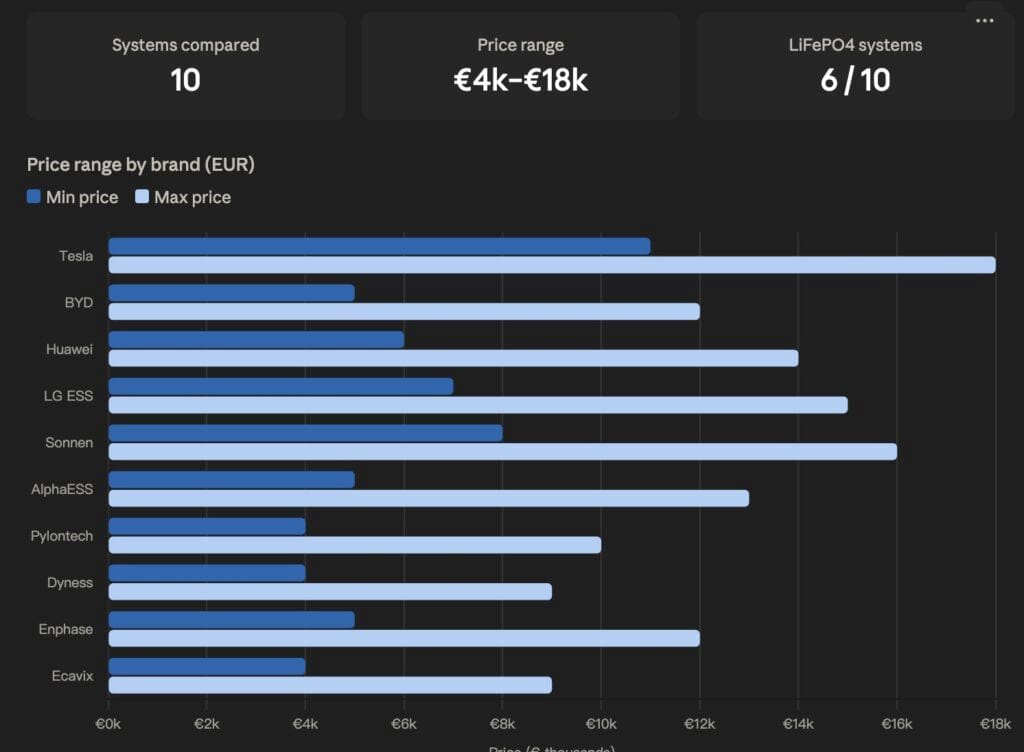
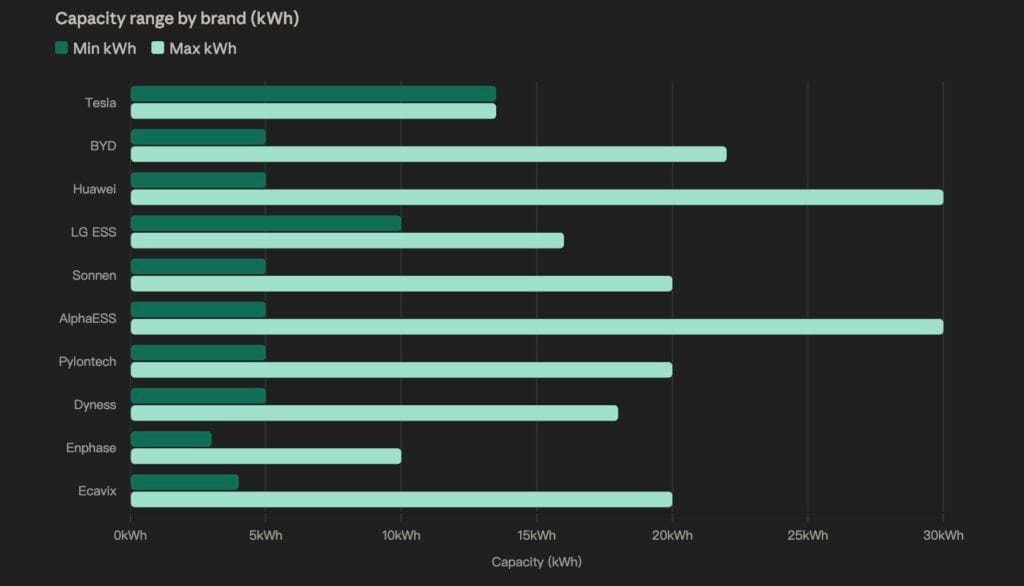
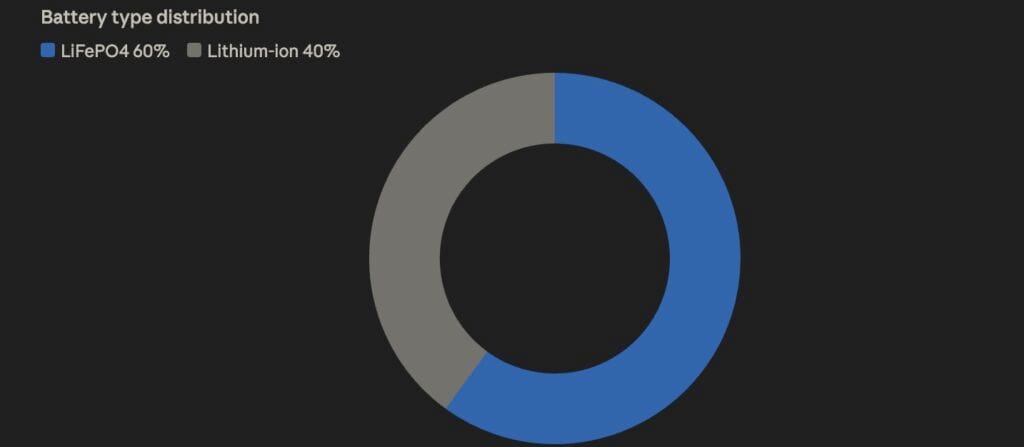
| Brand | Battery Type | Capacity Range | Estimated Price | Key Features |
|---|---|---|---|---|
| Tesla Powerwall | Lithium-ion | 13.5kWh | €11,000–€18,000 | Smart ecosystem, premium brand |
| BYD Battery-Box | LiFePO4 | 5–22kWh | €5,000–€12,000 | Modular design |
| Huawei LUNA2000 | LiFePO4 | 5–30kWh | €6,000–€14,000 | Smart inverter integration |
| LG ESS Home | Lithium-ion | 10–16kWh | €7,000–€15,000 | Compact design |
| SonnenBatterie | Lithium-ion | 5–20kWh | €8,000–€16,000 | Energy management software |
| AlphaESS | LiFePO4 | 5–30kWh | €5,000–€13,000 | Good EU market presence |
| Pylontech | LiFePO4 | Modular | €4,000–€10,000 | Affordable & scalable |
| Dyness | LiFePO4 | Modular | €4,000–€9,000 | Cost-effective |
| Enphase IQ Battery | Lithium-ion | 3–10kWh | €5,000–€12,000 | Excellent solar compatibility |
| Ecavix Energy Storage | LiFePO4 | Customizable | €4,000–€9,000 | Flexible OEM/ODM solutions |
1. Tesla Powerwall
The Tesla Powerwall remains one of the most recognized home battery systems globally.
Advantages
- Advanced software ecosystem
- Strong brand reputation
- Seamless solar integration
Disadvantages
- High installation cost
- Limited flexibility for customization
- Premium pricing
Best for:
- Smart home users
- Premium residential installations
2. BYD Battery-Box
BYD offers one of the most popular modular LiFePO4 systems in Europe.
Advantages
- Expandable design
- Excellent safety
- Strong compatibility
Best for
- Modular solar systems
- European households
3. Huawei LUNA2000
Huawei has rapidly grown in the residential storage market.
Key Features
- AI-based energy optimization
- Compact installation
- Smart monitoring
4. LG ESS Home
LG Electronics provides premium residential energy solutions with modern design and reliable performance.
5. SonnenBatterie
Sonnen GmbH focuses heavily on smart energy ecosystems and virtual power plant technology.
Best for:
- Smart grid integration
- Advanced energy management
6. AlphaESS
AlphaESS has become increasingly popular due to its balance between affordability and performance.
7. Pylontech
Pylon Technologies is widely known for cost-effective LiFePO4 solutions.
Advantages
- Affordable pricing
- Modular scalability
- Strong installer adoption
8. Dyness
Dyness focuses on residential and commercial lithium battery systems with competitive pricing.
9. Enphase IQ Battery
Enphase Energy specializes in solar ecosystem integration.
Best for:
- Existing Enphase solar users
- Compact installations
10. Ecavix Energy Storage
Ecavix focuses on flexible and scalable LiFePO4 battery systems designed for residential and commercial applications.
Advantages
- Competitive pricing
- OEM/ODM customization
- Modular expansion
- Reliable after-sales support
Unlike some premium systems that focus heavily on brand ecosystems, Ecavix emphasizes practicality, scalability, and cost efficiency for global markets.
Which Battery System Is Best?
The best energy storage system depends on your priorities.
| Priority | Recommended Option |
|---|---|
| Premium Smart Home | Tesla Powerwall |
| Best Modular Design | BYD |
| Best Solar Integration | Huawei / Enphase |
| Most Affordable | Pylontech / Dyness |
| Flexible Customization | Ecavix |
What Should Homeowners Consider?
Before purchasing a battery system, homeowners should evaluate:
- total installation cost
- battery lifespan
- warranty coverage
- after-sales support
- scalability
- compatibility with solar systems
For many users, after-sales service and long-term reliability are just as important as technical specifications.
Conclusion
The global energy storage market in 2026 offers more choices than ever before. While premium brands like Tesla continue to dominate public attention, many homeowners are now exploring more affordable and flexible alternatives.
Modern LiFePO4 systems provide:
- excellent lifespan
- high safety
- strong performance
- scalable capacity
As energy independence becomes increasingly important, choosing the right battery system is no longer just about technology—it’s about long-term value and reliability.
🚀 Final Thought
Whether you’re building a new solar system or upgrading an existing setup, comparing energy storage systems carefully can save thousands of euros over the long term.
To explore customizable LiFePO4 battery solutions and learn more about modern energy storage technologies, visit:
👉 https://ecavix.com/
👉 https://ecavix.com/lead-acid-replacement/